Last updated: April 2026.
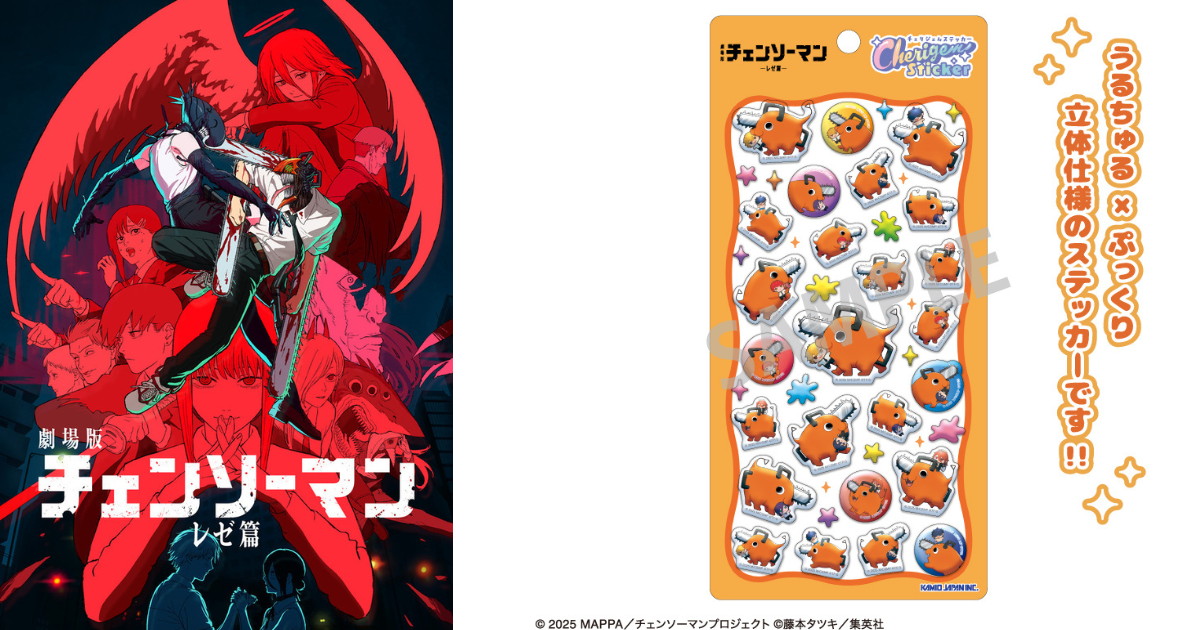
Image: Collabo Cafe
- Why Anime Merch Shopping in Japan Is Different
- Types of Anime Merchandise (and What’s Worth Buying in Japan)
- Where to Shop: Tokyo’s Best Anime Merch Stores
- Shopping by Budget
- Timing Your Shopping
- Practical Tips for Merch Shopping
- Beyond Tokyo: Other Shopping Destinations
- FAQ
- More Shopping & Practical Guides
Why Anime Merch Shopping in Japan Is Different
Buying anime merchandise in Japan isn’t just cheaper — it’s a completely different experience. Products available in Japanese stores often never make it to international retailers, or arrive months later at 2–3x the price. Limited-edition items, store-exclusive bonuses, and first-run goods are only available in person, and many sell out within days of release.
For anime fans planning a trip to Japan, merch shopping is often the single biggest budget item after flights and hotels. This guide covers where to shop, what to buy, how much to budget, and the practical tips that will save you money and suitcase space.
Types of Anime Merchandise (and What’s Worth Buying in Japan)
Figures & Statues
Japan is where anime figures are made, and the selection in Japanese stores dwarfs what’s available overseas. Prize figures (the ones you win from crane games or buy for ¥1,000–¥3,000) offer incredible value — Banpresto, Taito, and SEGA prize figures have quality that rivals more expensive scale figures. Scale figures from Good Smile Company, Kotobukiya, and Alter range from ¥8,000 to ¥30,000+ but are typically ¥2,000–¥5,000 cheaper than importing.
Best bought in Japan: Prize figures, Nendoroids (often in stock when sold out online), exclusive colorways, and secondhand scale figures at significant discounts.
Acrylic Stands, Keychains & Small Goods
These are the bread and butter of anime merch — lightweight, affordable, and available for virtually every series. Acrylic stands are especially popular in 2026, with character-specific designs running ¥500–¥1,500 each. Keychains, rubber straps, badges, and clear files make perfect souvenirs because they’re flat and easy to pack.
Best bought in Japan: Store-exclusive designs, random blind-box items (cheaper to collect in person than importing), and items from ongoing anime seasons that haven’t reached overseas retailers yet.
Manga & Art Books
Japanese-language manga volumes cost ¥500–¥700 each (compared to ¥1,200–¥1,500 for English translations). Even if you can’t read Japanese, art books and illustration collections are worth buying for the artwork alone. Limited-edition manga volumes with special covers or bonus booklets are Japan-exclusive.
Clothing & Apparel
Anime-themed clothing has gotten significantly more stylish in recent years. Brands like UNIQLO regularly release anime collaboration T-shirts (UT line) that are fashionable enough for everyday wear. GU (UNIQLO’s sister brand) does similar collaborations. For more dedicated anime fashion, stores like COSPA and AMNIBUS sell character-themed apparel ranging from subtle designs to full character prints.
CDs, Blu-rays & Soundtracks
Anime soundtrack CDs and Blu-ray box sets are significantly cheaper in Japan and often include exclusive bonus items (booklets, drama CDs, art cards) not available in international releases. First-press limited editions sell out fast and become collector’s items.
Where to Shop: Tokyo’s Best Anime Merch Stores
Tokyo has several major anime shopping districts — Akihabara, Ikebukuro, and Nakano Broadway are the big three. See our Tokyo Anime District Guide for an overview of all five areas.
Animate (Multiple Locations)
For a complete floor-by-floor breakdown of Akihabara’s anime buildings, see our Akihabara Complete Guide 2026.
Animate is the largest anime retail chain in Japan, and their Ikebukuro main store is the flagship — a massive multi-floor building dedicated entirely to anime, manga, and game merchandise. Each floor focuses on different categories: manga, figures, character goods, CDs/Blu-rays, doujinshi, and more.
Animate stores run their own exclusive merchandise lines and frequently offer purchase bonuses — buy a specific manga volume or CD at Animate and you’ll get an exclusive bonus illustration card or bromide that’s not available at other retailers. These store-exclusive bonuses (tokuten) are a major reason fans choose Animate over other shops.
Key locations: Ikebukuro (flagship, 9 floors), Akihabara, Shinjuku, Shibuya, Ikebukuro Otome Road (second location focused on BL/otome titles)
Mandarake
Mandarake’s flagship is in Nakano Broadway — see our Nakano Broadway Guide for the full floor map.
Mandarake is Japan’s legendary secondhand anime goods chain, and it’s where serious collectors shop. The two must-visit locations are:
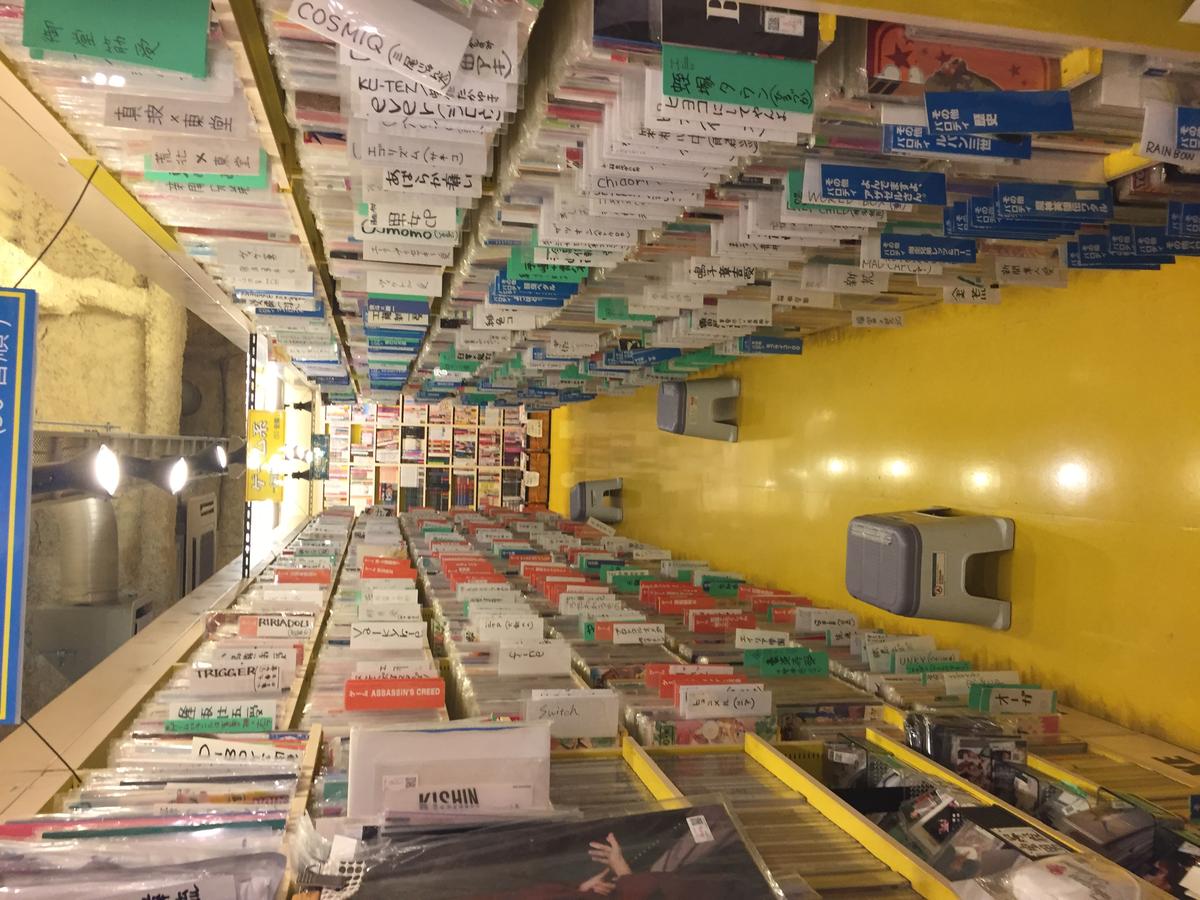
Nakano Broadway (Nakano) — Multiple Mandarake shops spread across the upper floors of Nakano Broadway shopping complex. Each sub-store specializes in a different category: figures, manga, doujinshi, cosplay, retro goods, cards, and more. Prices are often 30–70% below retail for secondhand items in excellent condition.
Akihabara Complex — An 8-floor building entirely operated by Mandarake. Organized by category per floor. The figure floors in particular offer incredible deals on pre-owned scale figures.
Why Mandarake matters: Japanese fans are meticulous about item condition. “Secondhand” at Mandarake often means “opened once, displayed briefly, repackaged perfectly.” You’ll find figures that look brand new at 40–60% of the original price.
Kotobukiya
Kotobukiya is both a figure manufacturer and retailer. Their Akihabara flagship store sells their own products (ARTFX, Bishoujo series) plus a wide range of other brands. Store exclusives and early releases are common. The staff are knowledgeable about figures and can advise on current and upcoming releases.
Surugaya
Another secondhand chain similar to Mandarake but with a broader focus. Multiple locations in Akihabara and other shopping districts. Good for finding specific items at discount prices. Their inventory is well-catalogued and prices are clearly marked.
Toranoana & Melonbooks
These are the go-to shops for doujinshi (fan-made manga and art books). If you’re interested in fan-created content, Melonbooks has a large Akihabara location. Note: Toranoana closed all its Akihabara stores in 2022 and now operates primarily online and via its Ikebukuro store. They also carry official merchandise and exclusive bonus items for certain titles.
Pokemon Center / Nintendo Tokyo / Jump Shop
For franchise-specific merchandise, dedicated stores offer the widest selection: Pokemon Center stores (Ikebukuro, Shibuya, Tokyo Skytree, Tokyo Station) have exclusive Pokemon goods unavailable online. Nintendo Tokyo in Shibuya PARCO covers Mario, Zelda, Splatoon, and Animal Crossing. Jump Shop in Tokyo Station’s Character Street specializes in Shonen Jump properties.
Shopping by Budget
Budget-friendly (¥3,000–¥5,000): Focus on small goods — keychains, acrylic stands, clear files, gacha items, and sticker sheets. Browse Animate’s accessories floor and check gachapon machines outside stores. Crane games at game centers can yield figures for less than retail if you’re skillful (or lucky).
Moderate (¥10,000–¥20,000): You can pick up 2–3 prize figures, a handful of character goods, some manga volumes, and maybe a T-shirt. This is the sweet spot for most tourists — enough to get meaningful souvenirs without breaking the bank. Mandarake and Surugaya are your best friends at this budget level.
Collector (¥30,000–¥50,000+): Scale figures, limited-edition box sets, exclusive merchandise, and premium goods. At this level, research specific items before your trip and check stock availability online. Some items sell out the day they release, so know your priorities.
Tax-free shopping: Most large anime retailers offer tax-free purchases for tourists spending over ¥5,000 (before tax) in a single transaction. Bring your passport — staff will process the tax exemption at the register. This saves you 10%, which adds up quickly on figure purchases.
Timing Your Shopping
New release days: Most anime merchandise releases on Saturdays. If you’re targeting a specific figure or limited item, check the release date and plan to visit on that day. Popular items sell out by afternoon.
Anime season launches: New merchandise waves correspond to anime season starts (January, April, July, October). The weeks around new season premieres see a flood of new goods for currently airing shows.
Comiket periods: During Comiket (August and December), Akihabara and surrounding shops are extra crowded but also stocked with special event merchandise. Many shops extend their hours.
Sales: Mandarake and other secondhand shops occasionally run clearance sales, especially during New Year (fukubukuro lucky bags) and Golden Week. Animate has point multiplier events throughout the year.
Practical Tips for Merch Shopping
Bring an extra bag or suitcase. Most anime tourists underestimate how much they’ll buy. Bring a foldable extra bag, or plan to buy a cheap suitcase at Don Quijote (¥3,000–¥5,000 for a decent carry-on size). Alternatively, ship purchases home via Japan Post.
Shipping heavy items home. Japan Post’s Surface Mail is the cheapest option for heavy items like figures — it takes 1–3 months but costs a fraction of airmail. EMS (Express Mail Service) is faster (3–7 days) but pricier. You can also use Yamato Transport’s international shipping service from convenience stores.
Check carry-on regulations. Figures in your carry-on are fine. Swords, replica weapons, and items with sharp points should go in checked luggage. Capsule toys and small goods are always safe for carry-on.
Use Animate’s point card. If you’ll be shopping at Animate multiple times during your trip, their free point card gives you points on every purchase that can be redeemed for discounts. Worth it if you’re spending ¥10,000+ total across Animate stores.
Compare prices between stores. Akihabara has intense competition. The same figure might be ¥1,000 cheaper at one shop versus another just down the street. For expensive items, check 2–3 stores before committing. Use the Surugaya and Mandarake websites to check their current prices before visiting in person.
Know what’s Japan-exclusive vs. importable. Some items are available internationally through sites like AmiAmi, CDJapan, and Tokyo Otaku Mode. Focus your in-person shopping on items that are harder to get shipped overseas: store-exclusive bonuses, random blind-box items, secondhand deals, and items too large or fragile to ship safely.
Shop Anime Merch Online (Ships Worldwide)
Many exclusive items sell out fast in-store. CDJapan and Amazon Japan both offer international shipping, so you can pre-order limited goods before your trip or grab what you missed after returning home.
Browse on Amazon JapanAmazon Japan ships to 65+ countries. Switch to English in the top menu.
Beyond Tokyo: Other Shopping Destinations
Osaka (Den Den Town & Namba): Osaka’s otaku shopping district has its own Animate, Mandarake, and numerous independent shops. Prices are comparable to Tokyo. The area is more compact and less overwhelming than Akihabara, which some shoppers prefer.
Kyoto: Limited anime shopping compared to Tokyo and Osaka, but Animate has a Kyoto location. The Teramachi shopping arcade has a few anime-adjacent shops. Kyoto is better for traditional Japanese goods than anime merch.
Nagoya: Osu shopping district has a growing anime retail scene, including Mandarake, Animate, and several independent shops. Less tourist traffic means better stock availability for popular items.
FAQ
Are anime goods cheaper in Japan than buying online?
Usually yes, especially after tax-free savings. Prize figures and secondhand items offer the biggest savings (30–60% less). New release figures are typically ¥1,000–¥3,000 cheaper than international import prices once you factor in shipping.
Can I find merch for older anime series?
Mandarake and Surugaya are your best bet for older series. They stock secondhand goods going back decades. Don’t expect to find much for obscure titles at mainstream stores like Animate, which focus on currently popular series.
What about bootleg/fake merchandise?
Much less of an issue in Japan than in other countries. All major retailers (Animate, Mandarake, Kotobukiya, etc.) sell only authentic goods. Street vendors and very cheap online shops are the only real bootleg risk. If a figure seems suspiciously cheap for its size and brand, inspect the packaging quality.
Do stores accept credit cards?
Major chains (Animate, Mandarake Akihabara Complex, Kotobukiya) accept credit cards. Smaller independent shops and some Mandarake Nakano Broadway sub-stores may be cash-only. Always carry cash as backup.
How do I find specific items I’m looking for?
Check store websites before visiting — both Mandarake and Surugaya have online inventory search. For new releases, check AmiAmi’s release calendar to know exact dates. Store staff at Animate and Kotobukiya can usually check stock across their locations if you ask.
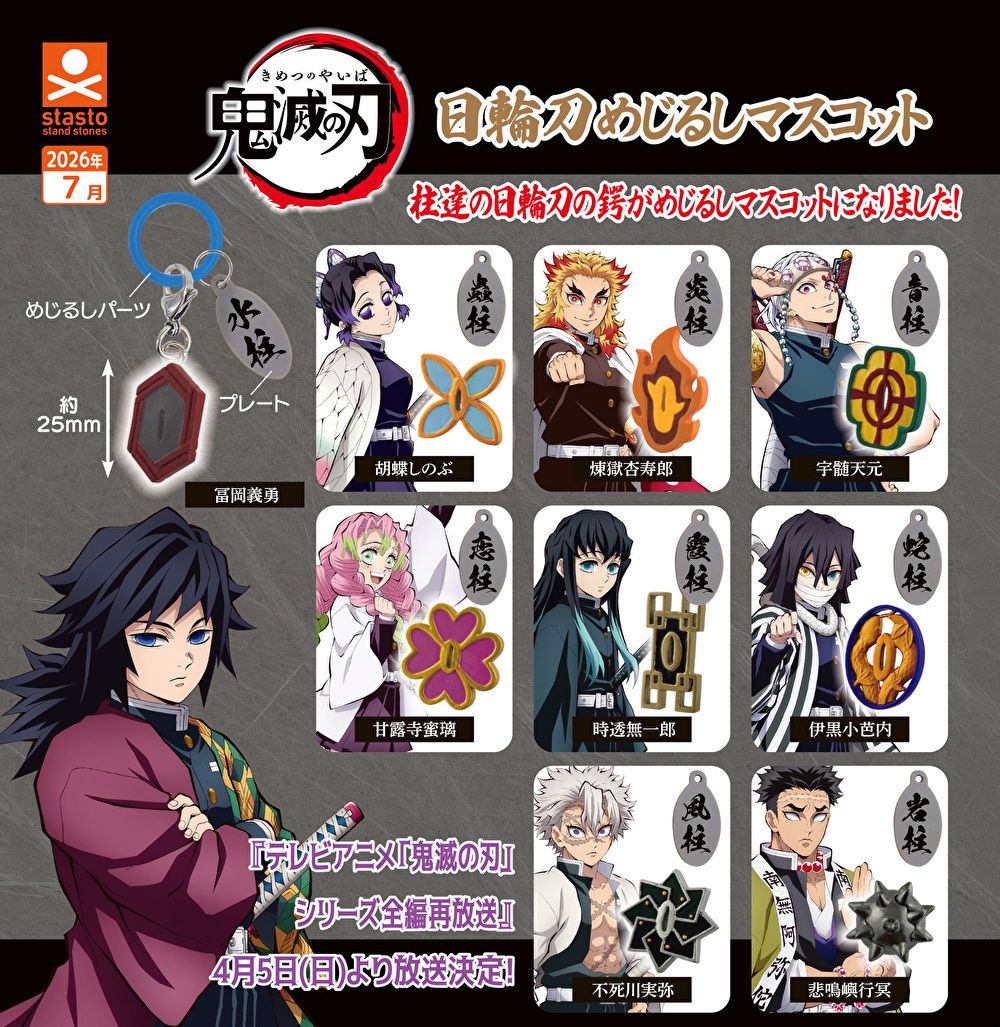
Image: Collabo Cafe
Need a Bigger Suitcase? Ship It Home Instead
Bought too much at Akihabara? Japan Post and Yamato Transport offer international parcel service. Or book an extra luggage delivery through Klook before you leave.
More Shopping & Practical Guides
- Akihabara Guide 2026: 30+ Shops, Cafes & Hidden Spots
- Ikebukuro Anime Guide: Animate, Otome Road & Walking Route
- Nakano Broadway Guide: 100+ Vintage Anime & Manga Shops
- Gachapon Guide: Where to Find, How to Use & What to Collect
- Game Centers Guide: Crane Games, Rhythm & Retro Arcades
- Tokyo Anime District Guide: Which Neighborhood Matches Your Fandom
Follow @japan_pop_now on Instagram for daily Tokyo pop culture updates.

Written by Takapon
Born and raised in Kyoto, currently in Tokyo. Former management consultant turned anime culture writer. Has visited countless collaboration cafes and pilgrimage spots across Japan. Also sharing tips on Instagram @pop_now_jp.
Follow @pop_now_jp on Instagram