Last updated: April 2026.

Photo: Unsplash
Anime pilgrimage — called seichi junrei (聖地巡礼), literally “holy land pilgrimage” — is one of the most uniquely rewarding ways to experience Tokyo. You’re not sightseeing in the traditional sense. You’re standing in the exact spot where a fictional character stood, seeing the same view they saw, walking streets that exist simultaneously in the real world and in a story that moved you.
A 2024 survey by Japan’s Tourism Agency found that nearly 12% of international visitors cited anime or film locations as a motivation for traveling to Japan. What started as a niche fan practice has become a genuine pillar of Japanese tourism — and Tokyo is ground zero.
Here are 10 locations you can visit today. No tickets, no reservations, no planning required — just your phone (with comparison screenshots saved) and comfortable walking shoes.
- Table of Contents
- 1. Suga Shrine Stairs — Your Name (Kimi no Na wa)
- 2. Shibuya Crossing — Weathering With You / Jujutsu Kaisen
- 3. Sensoji Temple, Asakusa — Demon Slayer (Kimetsu no Yaiba)
- 4. Akihabara — Steins;Gate
- 5. Ikebukuro — Durarara!!
- 6. Takadanobaba Station — Astro Boy (Tetsuwan Atom)
- 7. Inokashira Park, Kichijoji — Various Anime & Ghibli
- 8. Odaiba — Various (Gundam, Digimon)
- 9. Kamakura (Day Trip) — Slam Dunk
- 10. Washinomiya Shrine, Saitama (Day Trip) — Lucky Star
- Planning Your Pilgrimage
- Related Guides
Table of Contents
- Suga Shrine Stairs — Your Name
- Shibuya Crossing — Weathering With You / Jujutsu Kaisen
- Sensoji Temple — Demon Slayer
- Akihabara — Steins;Gate
- Ikebukuro — Durarara!!
- Takadanobaba Station — Astro Boy
- Inokashira Park — Various Anime & Ghibli
- Odaiba — Gundam / Digimon
- Kamakura (Day Trip) — Slam Dunk
- Washinomiya Shrine (Day Trip) — Lucky Star
1. Suga Shrine Stairs — Your Name (Kimi no Na wa)
Photo: Unsplash
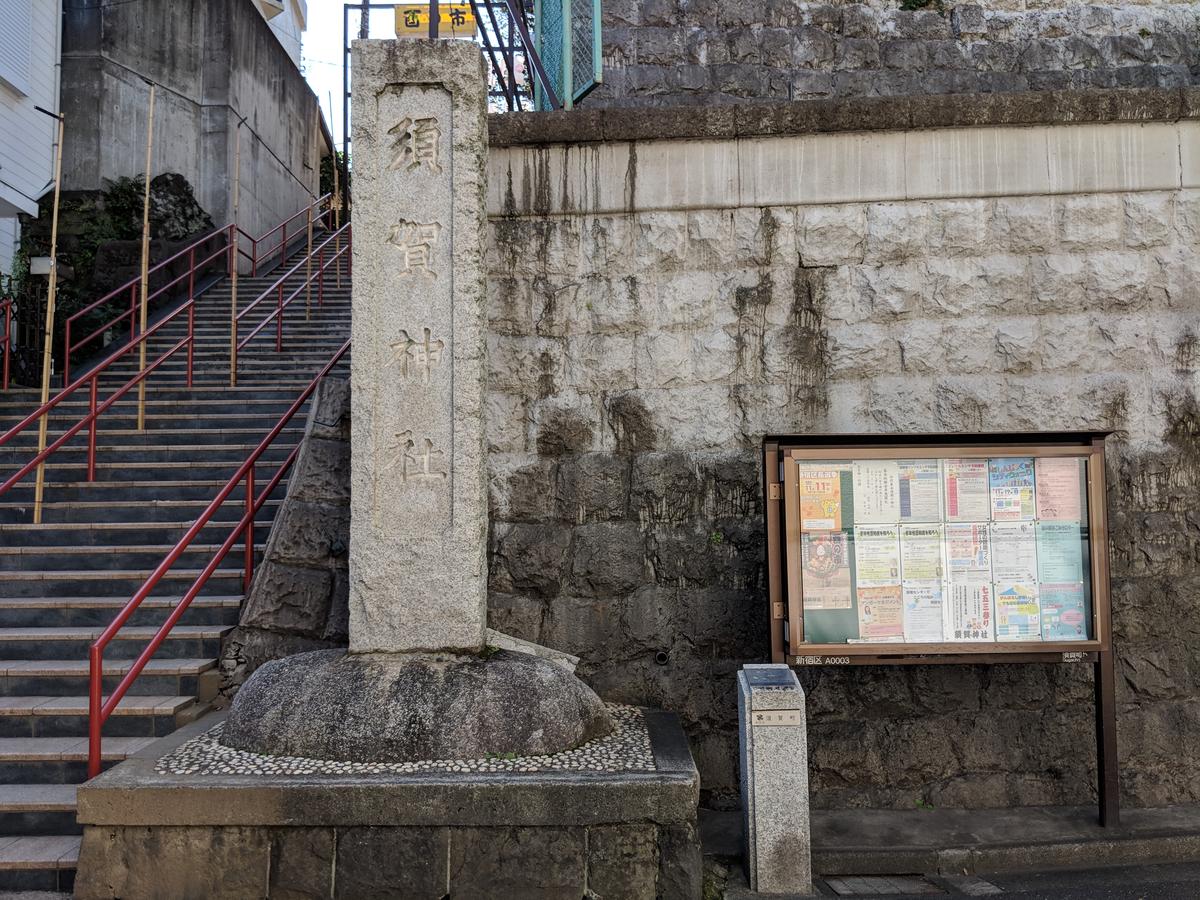
The most famous anime pilgrimage spot in the world. The staircase leading up to Suga Shrine in Yotsuya is where Taki and Mitsuha finally reunite in the closing moments of Makoto Shinkai’s 2016 masterpiece. The red handrails, the surrounding buildings, the afternoon light — every detail matches.
Nearly a decade after the film’s release, you’ll still find fans visiting every day, carefully matching their phone cameras to the film’s angles.
| Anime | Your Name / 君の名は。(2016) |
| Address | Suga Shrine (須賀神社), 18 Sugacho, Shinjuku-ku, Tokyo |
| Access | JR Yotsuya Station, South Exit → 10 min walk |
| Best time | Late afternoon (3:00–5:00 PM) for golden hour light that matches the film |
| Cost | Free |
→ Read our complete Your Name pilgrimage guide with all Tokyo locations and a walking route
2. Shibuya Crossing — Weathering With You / Jujutsu Kaisen

Photo: Unsplash
Shibuya’s famous scramble crossing appears in dozens of anime, but two make it a genuine pilgrimage destination. Shinkai’s “Weathering With You” (2019) uses the crossing and surrounding streets in multiple key scenes — including rain-soaked sequences that are particularly evocative during Tokyo’s actual rainy season. And Jujutsu Kaisen’s “Shibuya Incident” arc transforms the entire neighborhood into a supernatural battlefield, making every street and station exit recognizable to fans.
The experience of walking through Shibuya after watching either series is noticeably different from walking through it blind. You notice details — specific buildings, exits, the way streets curve — that you’d normally overlook.
| Anime | Weathering With You / 天気の子 (2019), Jujutsu Kaisen (2020–) |
| Access | Shibuya Station, any exit |
| Best angle | For the aerial view: Shibuya Sky observation deck, 47F of Shibuya Scramble Square (¥2,200 online / ¥2,500 walk-up). For the street-level crossing experience: stand at the Hachiko exit and wait for the light to turn. |
3. Sensoji Temple, Asakusa — Demon Slayer (Kimetsu no Yaiba)
Sensoji — Tokyo’s oldest temple, founded in 645 AD — evokes the Taisho-era (1912-1926) aesthetic that forms the backdrop of Demon Slayer. The temple has hosted official Demon Slayer collaboration events, including life-size character statues and themed photo spots. Even without a specific event running, the traditional architecture and Nakamise shopping street transport you to the world of the series.

Photo: Unsplash
| Anime | Demon Slayer / 鬼滅の刃 (2019–) |
| Address | 2-3-1 Asakusa, Taito-ku, Tokyo |
| Access | Asakusa Station (Ginza Line or Asakusa Line) → 5 min walk |
| Hours | Temple grounds open 24 hours. Main hall: 6:00–17:00 (6:30 Oct–Mar) |
| Cost | Free |
Local tip: Visit at dusk (around 17:00–18:00) when the temple and Nakamise street are illuminated. The crowds thin out and the atmosphere shifts to something closer to the historical setting of Demon Slayer.
4. Akihabara — Steins;Gate
The science-fiction thriller Steins;Gate is set almost entirely in Akihabara, and the real neighborhood is reproduced with documentary-level accuracy. Radio Kaikan (the yellow-facade building at the Electric Town exit — see our complete Akihabara guide for floor-by-floor details), the UDX building, and specific street corners and side alleys all appear in the anime exactly as they look in real life.
What makes this pilgrimage special: unlike locations from period pieces or fantasy anime, Akihabara hasn’t changed much since Steins;Gate aired. Walking through the neighborhood with screenshots on your phone produces an uncanny sense of inhabiting the show — the buildings, signs, and street layouts match almost perfectly.
| Anime | Steins;Gate / シュタインズ・ゲート (2011) |
| Key spots | Radio Kaikan exterior, UDX Building, streets between them |
| Access | JR Akihabara Station, Electric Town Exit |
→ Read our complete Akihabara guide for everything else to do in the area
5. Ikebukuro — Durarara!!
The supernatural action series Durarara!! is set in Ikebukuro, and the neighborhood’s real layout is faithfully reproduced. Sunshine 60 Dori (the main street from the East Exit), Ikebukuro West Gate Park, and specific intersections all appear in the anime. Walking through Ikebukuro after watching Durarara!! gives the neighborhood a layer of cool, slightly dangerous energy that enhances the real experience.
| Anime | Durarara!! / デュラララ!! (2010–2016) |
| Key spots | Sunshine 60 Dori, Ikebukuro West Gate Park, East Exit area |
| Access | JR Ikebukuro Station, East Exit |
→ Read our Ikebukuro anime guide for the full otaku experience in this neighborhood
6. Takadanobaba Station — Astro Boy (Tetsuwan Atom)
A small but delightful pilgrimage: Takadanobaba Station plays the Astro Boy theme melody as its train departure jingle — one of only a few stations in Tokyo with an anime-themed sound. The area around the station features Astro Boy murals on building walls, and the character appears on local signage. The whole visit takes 15-20 minutes, making it an easy addition to a Yamanote Line day.
| Anime | Astro Boy / 鉄腕アトム (1963/2003) |
| Access | JR Takadanobaba Station (Yamanote Line) |
| What to do | Listen for the departure melody on the platform. Exit via the South Exit and walk the surrounding streets for murals and signage. |
| Time needed | 15–20 minutes |
7. Inokashira Park, Kichijoji — Various Anime & Ghibli
Inokashira Park appears in numerous anime as a archetypal Tokyo park setting. It’s also adjacent to the neighborhood of Mitaka, where the Ghibli Museum is located. The park itself — with its central pond, swan boats, and tree-lined paths — is the kind of “everyday beautiful” location that slice-of-life anime captures so well.
| Address | 1-18-31 Gotenyama, Musashino-shi, Tokyo |
| Access | JR Kichijoji Station (Chuo Line) South Exit → 5 min walk |
| Hours | Park is open 24 hours. Swan boats available during daytime hours. |
| Cost | Free (swan boats ¥1,000 per 30 min) |
Combine with: The Ghibli Museum in nearby Mitaka (15 min walk from the park, or 1 stop on the JR Chuo Line). Note: Ghibli Museum requires advance tickets — sold on the 10th of each month for the following month via Lawson Ticket (sells out fast for weekends).
8. Odaiba — Various (Gundam, Digimon)
Odaiba’s waterfront area appears in multiple anime as a futuristic Tokyo setting. The most visible pilgrimage draw: the life-size Unicorn Gundam statue standing in front of DiverCity Tokyo Plaza. At scheduled times throughout the day, the statue transforms between its Unicorn and Destroy modes with sound and light effects. It’s impressive even if you’ve never watched Gundam.
Odaiba also served as a key location in Digimon Adventure, and the Rainbow Bridge appears in countless anime as an iconic Tokyo backdrop.
| Gundam statue | DiverCity Tokyo Plaza, 1-1-10 Aomi, Koto-ku, Tokyo |
| Access | Yurikamome Line to Daiba Station → 5 min walk. Or Tokyo Teleport Station (Rinkai Line) → 3 min walk. |
| Transformation times | Multiple times daily — check the DiverCity website for current schedule |
| Cost | Free (viewing the statue). The Gundam Base Tokyo shop inside DiverCity is also free to browse. |
9. Kamakura (Day Trip) — Slam Dunk

Photo: Unsplash
Technically outside Tokyo, but reachable in about an hour by train. The Kamakura Koko-mae (鎌倉高校前) railroad crossing — where the Enoshima Electric Railway passes with the Pacific Ocean shimmering in the background — is one of the most iconic images in anime history. The opening credits of the Slam Dunk anime made this crossing world-famous, and it remains one of Japan’s most-visited pilgrimage spots.
| Anime | Slam Dunk / スラムダンク (1993–1996, movie 2022) |
| Access | JR Yokosuka Line to Kamakura Station (~60 min from Tokyo) → transfer to Enoshima Electric Railway → Kamakura Koko-mae Station (7 min). The crossing is directly adjacent to the station. |
| Cost | Train fare only. The crossing is a public road. |
Important warning: This crossing is extremely crowded on weekends and holidays. Go early on a weekday for the best experience. And critically: this is a real, active railroad crossing. Do not stand on the tracks. Do not block the crossing for extended photo sessions. The local police have increased enforcement due to tourist safety concerns. Be respectful.
10. Washinomiya Shrine, Saitama (Day Trip) — Lucky Star
The shrine that started modern anime pilgrimage. When the opening scene of the 2007 anime Lucky Star featured Washinomiya Shrine, fans began visiting — and the resulting surge in tourism helped create the seichi junrei phenomenon as we know it today. The shrine has fully embraced its anime heritage, selling character-themed ema (prayer plaques), hosting fan events, and welcoming visitors who come specifically because of the anime connection.
Visiting Washinomiya is less about spectacular visuals and more about paying respects to a piece of anime tourism history. It’s the birthplace of a cultural movement that now drives billions of yen in tourism revenue and influences how Japanese local governments think about anime-related economic development.
| Anime | Lucky Star / らき☆すた (2007) |
| Address | Washinomiya Shrine, Washinomiya, Kuki City, Saitama |
| Access | Tobu Isesaki Line from Asakusa Station to Washinomiya Station (~60 min) → 10 min walk |
| Cost | Free |
Take a Guided Anime Pilgrimage Tour
Visiting anime filming locations is more fun with a local guide who knows the exact camera angles and scene references. Walking tours cover 5-8 spots in 3 hours.
Find Anime Pilgrimage Tours on KlookEnglish-speaking guides. Small groups. Free cancellation.
Planning Your Pilgrimage
Use the Butai Meguri app. This dedicated pilgrimage app (iOS/Android) provides maps, exact camera positions, and AR character overlays for anime locations across Japan. The interface is in Japanese, but the visual maps and location pins work regardless of language ability.
Save comparison screenshots before your trip. Download or screenshot the specific anime scenes you want to recreate, and save them to a dedicated folder on your phone. On-site, hold up the screenshot next to the real view for a side-by-side comparison photo. These posts consistently perform extremely well on social media.
Respect every location. Many pilgrimage spots are residential neighborhoods, active shrines, or real transportation infrastructure — not theme parks. Take photos quickly, don’t block pedestrian traffic, keep noise levels appropriate, and never enter private property. The continued welcome that fans receive at these locations depends on visitors being respectful.
Combine pilgrimage with other activities. Most of these locations are in or near neighborhoods with plenty of other things to do. After visiting the Suga Shrine stairs, explore Shinjuku. After Akihabara’s Steins;Gate spots, browse the anime shops. After Kamakura’s Slam Dunk crossing, visit the Great Buddha and the beach. Don’t just visit the single spot and leave — let the pilgrimage be a doorway into the neighborhood.
Related guides:
- Your Name Pilgrimage Tokyo: Every Location With Walking Route
- Tokyo Anime Collab Cafes — Spring 2026 Guide
- Akihabara: The Complete Pop Culture Guide for 2026
- Ikebukuro for Anime Fans: Animate, Otome Road & Beyond
Japan Pop Now is a Tokyo-based English-language media covering Japanese pop culture for international visitors. We specialize in information that’s usually only available in Japanese — collab cafes, anime events, limited-edition merchandise, and the spots that guidebooks don’t cover.
Related Guides
- Demon Slayer Pilgrimage Tokyo — Every Real Location from Kimetsu no Yaiba
- Weathering With You Locations Tokyo — Every Real Spot from Tenki no Ko
- JR Pass Anime Pilgrimages 2026 — Routes, Prices & Whether It Saves You Money
- Best Anime Tours Tokyo 2026 — Klook vs Viator Compared
- Japan Trip Checklist for Anime Fans 2026
- One Piece Kumamoto Statue Tour — All 10 Straw Hat Statues
Follow @japan_pop_now on Instagram for daily Tokyo pop culture updates.

Written by Takapon
Born and raised in Kyoto, currently in Tokyo. Former management consultant turned anime culture writer. Has visited countless collaboration cafes and pilgrimage spots across Japan. Also sharing tips on Instagram @pop_now_jp.
Follow @pop_now_jp on Instagram