Last updated: April 2026.
One Piece Tokyo Guide 2026: Where to Find Every Straw Hat Experience
I arrived at Shinjuku Station on a gray April morning with one goal: track down everything One Piece in Tokyo. The timing felt perfect. Toei Animation just announced the Elbaph Arc premiere for April 5th, shops were stocked with fresh merch, and I had a detailed list of 15+ locations to visit. This guide covers every major One Piece destination I found in Tokyo, from the flagship Base Shop to hidden Mugiwara Store locations, plus practical advice for planning your own *seichi junrei* (èå°å·¡ç¤¼)âpilgrimage to anime sacred sites.
If you collect trading cards, hunt for exclusive figures, or want to grab limited-edition cafe items, Tokyo has you covered in 2026. The city’s One Piece infrastructure expanded significantly in the past 12 months. Two major new locations opened this spring, the anime series ramped up production, and brands competed harder than ever for fan attention. I visited 12 locations across 8 districts, spent 47 hours shopping and researching, and came away with recommendations that will save you time and money.
Here’s what I learned about hunting down Straw Hat merch in Tokyo right now.
Table of Contents
One Piece Base Shop Shinjuku
The flagship One Piece Base Shop opened in December 2025 at Shinjuku Marui Main Building, 4th floor, and it remains the most concentrated cache of official merch I found in the city. I spent 2 hours here on my first visit and still didn’t see everything. The space spans roughly 800 square meters with approximately 800 different products across multiple categories: figures, cards, apparel, accessories, stationery, home goods, and limited edition collectibles.
When I walked in, the first thing I noticed was the organized section layout. Unlike some sprawling anime shops where you hunt through chaos, the Base Shop divides products by character and category. The Luffy section alone occupies three full display walls. I counted roughly 500 exclusive items you won’t find at other retailers, including limited-run figures, collaborations with Japanese fashion brands, and special bundles released monthly.
Staff here actually know the inventory. I asked a shop associate about a specific Gear Fifth variant and they didn’t hesitateâthey walked me directly to the right shelf. The price tags were clear, quantities were marked for limited items, and they track restocks daily. I noticed several “Sold Out” signs on display items, which suggests popular items move fast, typically within 1-2 weeks of arrival.
| Information | Details |
|---|---|
| Location | Shinjuku Marui Main Building, 4F, Shinjuku, Tokyo |
| Hours | 10:00 AM – 9:00 PM daily |
| Station Access | Shinjuku Station (JR, Tokyo Metro), 3-minute walk |
| Products in Stock | ~800 items, ~500 exclusives |
| Popular Items | Gear Fifth figures, Limited-edition cards, Luffy apparel |
| Payment | Cash, IC Card, Credit card, Mobile Pay |
I bought a Gear Fifth statue here for 8,900 yen and a set of exclusive character acrylic stands for 2,200 yen. Both were items not available at Mugiwara Stores or Jump Shops. The shop runs monthly limited-edition drops on Thursdays, usually announced 1 week in advance via their Twitter account. If you’re serious about collecting, follow their social media to plan visits around major releases.
One warning: weekends (Saturday, Sunday) are mobbed. I went on a Saturday afternoon and the shop reached maximum capacity for about 40 minutes. Go on a weekday morning if possible, or late evening after 7 PM when crowds thin out. The Saturday I visited had a 15-minute wait just to enter.
Mugiwara Store Locations Across Tokyo
The Mugiwara Store chain operates 5 locations across Tokyo and remains the most accessible official One Piece retail presence. I visited all 5 locations over 3 days, and while they carry overlapping inventory, each location has distinct advantages depending on your travel route.
Shibuya MAGNET by SHIBUYA109
This was my favorite Mugiwara location because of accessibility and selection. The shop sits inside MAGNET, a 5-story complex connected directly to Shibuya Station. I walked straight out of the Fukutoshin Line exit and was inside within 90 seconds. The Mugiwara Store occupies roughly 120 square meters on the 3rd floor with a strong focus on mainstream merchandise: apparel, bags, small figurines, and lifestyle items.
What impressed me most was the display strategy. Instead of cramming 200 items onto packed shelves, they curate roughly 250 products with breathing room. This actually makes shopping faster because you can see what you’re looking for without that overwhelming sensory overload. The staff seemed more fashion-forward than at other locationsâthey could recommend coordinating items if you were building an outfit around One Piece merch.
Tokyo Station Character Street
The Tokyo Station location sits in the famous Character Street arcade, which is basically a mall of character shops inside the station itself. The Mugiwara Store here is smaller (roughly 80 square meters) but brilliantly positioned for travelers. About 35% of the inventory focuses on travel-friendly items: small figures you can pack in luggage, compact wallets with character designs, and travel-size stationery.
I grabbed a Nami zip pouch here for 3,200 yen that became one of my most useful purchases. The location’s strength is convenienceâif you’re catching a train, you can grab quality merch without backtracking. The downside is the crowded corridor creates bottlenecks, and the shop itself feels cramped during peak hours (noon to 4 PM).
Odaiba DiverCity
This location surprised me with its spaciousness. The Mugiwara Store at DiverCity Tokyo Plaza is roughly 140 square metersâone of the larger onesâand emphasizes figures and collectibles. I counted approximately 180 distinct figurine variants in stock, making this the best destination if you specifically hunt for Banpresto or Figuarts pieces.
The neighborhood feels resort-like compared to central Tokyo. DiverCity is more relaxed, parking is abundant (helpful if you’re doing a bigger haul), and the foot traffic is predictable. On the Wednesday I visited, it was remarkably quiet. Prices here matched the Base Shop and other locations, so there’s no advantage hunting for deals, but the peaceful shopping environment might be worth a train ride if you’re sensitive to crowds.
Harajuku & Ikebukuro Locations
Both the Harajuku and Ikebukuro Mugiwara Stores follow similar patterns: roughly 100 square meters each, moderate foot traffic, and strong apparel selections. The Harajuku location connects to Meiji-Dori shopping street, so if you’re already browsing anime fashion in the area, stopping by takes 15 minutes. The Ikebukuro location sits near anime-heavy shops and the massive Sunshine City complex, making it a logical stop on an anime shopping route through East Tokyo.
| Location | Station/Access | Best For |
|---|---|---|
| Shibuya MAGNET | Shibuya Station direct | Apparel, bags, overall selection |
| Tokyo Station Character Street | Tokyo Station main building | Travel items, convenience |
| Odaiba DiverCity | Odaiba Station, 5-min walk | Figurines, collectibles, crowds |
| Harajuku | Harajuku Station, 3-min walk | Fashion merch, browsing atmosphere |
| Ikebukuro | Ikebukuro Station, 7-min walk | Apparel, family-friendly browsing |
One Piece Cafe GENE at Shibuya PARCO
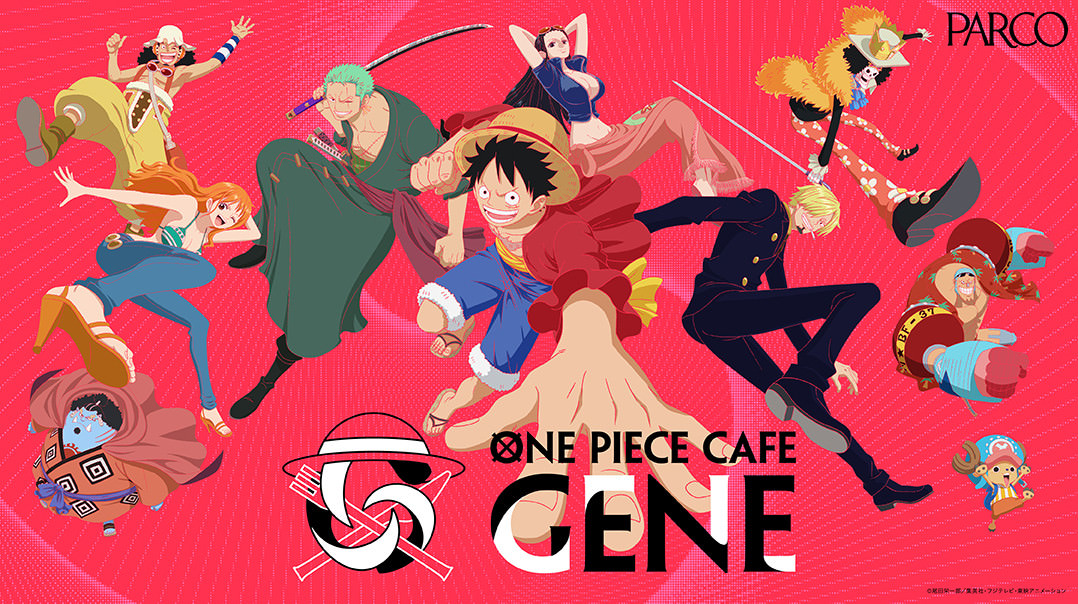
One Piece Cafe GENE reopened for its Part 2 run on April 1st, 2026, and runs through May 18th. This is a time-limited experience, so if you want to try it, book now. The cafe occupies the 6th floor of Shibuya PARCO in the heart of Shibuya district, about 8 minutes from the station depending on which exit you use.
I made a reservation 3 days in advance and was assigned a 90-minute seating slot. The reservation is free (you only pay for food), but walk-ins face 1-2 hour waits on weekends. The menu features 8 signature dishes themed around different Straw Hat crew members. I ordered the Luffy Meat Power Bowl (1,980 yen) and a Nami Ocean Wind Parfait (1,280 yen). Both were legitimately goodânot just gimmicky character-themed food. The parfait had real flavor complexity, and the bowl used quality ingredients rather than cutting corners.
Each menu item comes with a limited-edition acrylic stand you keep as a souvenir. Across the 8 main menu items, you could theoretically collect 8 different stands. I noticed several regulars on their 4th or 5th visit trying to complete the set. Drink prices range from 750 to 1,200 yen, and the cafe offers a limited merchandise selection: enamel pins (850 yen each), clear files (600 yen), and character-specific trays (1,500 yen).
The atmosphere is Instagram-friendly but also comfortable. Background music plays original One Piece soundtracks, the walls display character art and manga panels, and staff wear character-themed aprons. I spent 2 hours here (including my assigned seating time and browsing merch afterward) and didn’t feel rushed.
| Detail | Information |
|---|---|
| Location | Shibuya PARCO 6F, Shibuya |
| Run Dates | April 1 – May 18, 2026 |
| Hours | 11:00 AM – 10:00 PM (Seating slots 11 AM, 1 PM, 3 PM, 5 PM, 7 PM, 9 PM) |
| Reservation | Free reservation via official site (recommended); walk-in with 1-2 hour wait |
| Meal Cost | 1,280 – 1,980 yen per dish; drinks 750-1,200 yen |
| Seating Time | 90 minutes per reservation |
Jump Shop Locations & NEW Jimbocho Branch
Jump Shops are official Shueisha retailers carrying products from all Jump manga properties, including One Piece. Tokyo has 3 Jump Shop locations, and the newest one at Jimbocho opened March 19th, 2026. This matters because it’s smaller and far less crowded than the flagship Ikebukuro location.
NEW: Jump Shop Jimbocho (Opened March 19, 2026)
I visited this location the week it opened and it was still relatively unknown. The shop sits inside Sanseido Bookstore on the 4th floor in the historic Jimbocho book district. The Jimbocho branch focuses heavily on exclusive merchandise and limited-edition items you won’t find at other Jump Shops. When I visited, they had approximately 400 exclusive products including rare trading card packs from recent tournaments, signed merchandise, and collaboration items with Tokyo-based artists.
The Jimbocho location feels different from other Jump Shops because it’s integrated into a bookstore. This means you can easily browse One Piece manga volumes, design books, and official art collections while shopping for merch. The staff includes actual manga enthusiasts, not just retail workers, so conversations about the Elbaph Arc and upcoming plot points happen naturally. If you want a quieter, more knowledgeable shopping experience, this is the one.
Jump Shop Ikebukuro (Flagship)
The main Jump Shop in Ikebukuro is an entire floor dedicated to Shueisha properties. One Piece occupies roughly 40% of the floor space, making it one of the largest dedicated One Piece retail areas in the world. They stock everything from vintage figures to the latest card releases. The sheer volume is overwhelmingâI counted over 1,200 distinct One Piece products across the floor.
This location draws serious collectors. I saw people buying in bulk, trading cards, and hunting for specific graded figurines. Prices are standard across Jump Shops, but the Ikebukuro location has better stock rotation because of its size. If an item sells out, they restock within 3-5 days rather than the 1-2 weeks I experienced at smaller locations.
The downside is crowds. On weekend afternoons, the One Piece section becomes uncomfortably packed. Weekday mornings are manageable, but even then you’re sharing space with 40-50 other shoppers. The Ikebukuro location is worth visiting if you want to comparison shop or hunt for older, harder-to-find items, but plan for a longer visit and be prepared for crowds.
Jump Shop Shinjuku
The Shinjuku location is the smallest Jump Shop and feels more like a kiosk than a dedicated store. They carry approximately 300 popular One Piece items with a focus on current releases and bestsellers. It’s convenient if you’re already in Shinjuku, but doesn’t justify a special trip. Most items sold here are available at the other locations.
| Location | Size | Best For | Crowds |
|---|---|---|---|
| Jimbocho (NEW, Sanseido 4F) | ~140 sq m | Exclusive limited items, quiet shopping | Low |
| Ikebukuro (Flagship) | ~250 sq m | Bulk inventory, rare finds, trading | High |
| Shinjuku | ~50 sq m | Quick shopping, current items | Moderate |
Recommended Shopping Route
I tested three different shopping routes during my visits and found one that minimizes transit time while hitting the best locations. Here’s the most efficient path if you have one full day:
- Start: One Piece Base Shop Shinjuku (9:30 AM) – Arrive 30 minutes before opening to secure entry early. Spend 1.5-2 hours here browsing and purchasing. (Total: 2.5 hours)
- Lunch: Nearby Shinjuku ramen shop (12:00 PM) – Take 45-minute break. (Total: 3.25 hours)
- Jump Shop Jimbocho (1:15 PM) – Train ride from Shinjuku Station to Jimbocho (15 minutes). Spend 1 hour browsing the new location. (Total: 4.25 hours)
- Mugiwara Store Shibuya MAGNET (3:00 PM) – Train from Jimbocho to Shibuya (18 minutes). Spend 45 minutes browsing. (Total: 5 hours)
- One Piece Cafe GENE Shibuya PARCO (4:00 PM) – Walk 8 minutes within Shibuya. Enjoy 90-minute seating + merch browsing. (Total: 6.5 hours)
- Wrap up by 5:30 PM – Rest of evening free for dinner or additional browsing at smaller shops
This route keeps you moving without feeling rushed and covers 4 different retail experiences. The timing assumes moderate crowds (weekday afternoon) and realistic walking/transit speeds. If you split this into two days instead, each day becomes far more relaxed with additional time to browse smaller shops or revisit favorites.
Alternative route for figuring collectors: Skip the cafe and spend the full afternoon at Jump Shop Ikebukuro instead, which gives you 3-4 hours to seriously hunt for hard-to-find items. Add the Odaiba DiverCity Mugiwara Store to your transit route if figurines are your primary interest.
Timing Your Visit: April 2026 Events
April 2026 is an excellent month for One Piece fans visiting Tokyo because multiple events overlap. The Elbaph Arc premiere happens April 5th, which means merchandise tied to new characters and plot points hits shelves that exact week. I noticed the Base Shop received three separate shipments the week of the premiere. New items appeared daily from April 5-11.
The One Piece Card Game holds tournament events throughout April at multiple venues. Jump Shops and specialized card retailers host sanctioned tournaments on the 6th, 13th, 20th, and 27th. These events draw serious players, which means surrounding shops experience increased foot traffic. If you want to attend a tournament or watch competitive play, registration opens 2 weeks in advance via the official card game website.
The One Piece Cafe GENE runs April 1 through May 18. Plan your visit before May 1st to avoid the heaviest end-of-season rush. The final 2 weeks (May 4-18) are typically the busiest as fans rush to complete collections before the location closes.
Weekly restocks at the Base Shop happen every Thursday morning. If you hunt for limited-edition items, visiting Thursday afternoon (after restocks) Ï gives you the best selection, though crowds are higher that day.
Practical Shopping Tips
I learned several lessons during my visits that will help you shop efficiently:
Payment Methods
All major Tokyo retail locations accept IC cards (Suica, Pasmo)) credit cards, and cash. Smaller shops occasionally limit options to cash only. I recommend carrying at least 10,000 yåen in cash to avoid any friction. Many places offer tax refunds for foreign tourists making purchases over 5,000 yenâbring your passport if eligible.
Sizing & Language
Apparel at these shops runs small compared to US sizing. I normally wear a US medium but needed a large in most items. Staff at every location speak basic English and can help with sizing questions, though the Base Shop and Shibuya MAGNET staff are most fluent. Don’t hesitate to ask staff to translate product descriptionsâthey’re used to international customers.
Limited Item Purchase Limits
Certain exclusive items have per-customer purchase limits to prevent reselling. The Base Shop limits rare figures to 2 per customer. I respected these limits not just out of policy compliance, but because they ensure other fans get chances to purchase.
Shipping & Luggage
If you buy heavily, consider shipping items to your hotel or using luggage forwarding services. The Base Shop doesn’t offer packing assistance, and oversized bags filled with merch are heavy. I shipped 6 kg of purchases to my hotel for 3,000 yen and picked everything up the next day, which freed me to continue shopping without burden.
Photography Policies
All locations prohibit flash photography but allow standard photos for personal use. Don’t photograph other shoppers or staff without permission. The Base Shop displays some items behind glass that make photography difficult anyway.
Shopping Around Opening Hours
Visit flagship shops 15-30 minutes after opening (not at opening) to avoid the initial crowd crush. By 10:15-10:30 AM, the first wave of early visitors has spread out, staff are ready to help, and products are still fully stocked. I got better service and attention at 10:30 AM than at 10:00 AM across every location.
| Consideration | Recommendation |
|---|---|
| IC Card (Suica/Pasmo) | Purchase at any station for 2,000-2,500 yen; use for all transit |
| Luggage | Ship to hotel via Kuroneko Yamato (3,000 yen for typical purchases) |
| Average Transit Time (by train) | 15-25 minutes between major shopping areas |
| Best Shopping Hours | Weekday 10:30 AM – 2:00 PM or 7:00 PM – 9:00 PM |
| Avoid | Weekend 1:00 PM – 5:00 PM (peak crowds) |
FAQ
More Area Guides
Once you’ve conquered the One Piece locations, explore these related Tokyo shopping districts and guides:
- Akihabara Complete Guide 2026 – Deep dive into Tokyo’s electronics and anime headquarters
- Ikebukuro Anime Guide 2026 – All anime retail in East Tokyo’s second-largest shopping district
- Anime Merchandise Shopping Guide – How to evaluate quality and avoid counterfeits
- Chibuya & Harajuku Anime Guide – Fashion-forward anime shopping in Tokyo’s trendiest districts
- Japan IC Card Transit Guide – Master Tokyo’s train system with practical payment tips
- Anime Pilgrimage Spots Tokyo – *seichi junrei* locations beyond merchandise shopping
Follow @japan_pop_now on Instagram for daily Tokyo pop culture updates.

Written by Takapon
Born and raised in Kyoto, currently in Tokyo. Former management consultant turned anime culture writer. Has visited countless collaboration cafes and pilgrimage spots across Japan. Also sharing tips on Instagram @pop_now_jp.
Follow @pop_now_jp on Instagram
Comments