Last updated: March 2026. All locations verified as publicly accessible. Covers Tokyo shrines, Asakusa, Mt. Kumotori, and the best Demon Slayer merchandise spots.

Demon Slayer is set in Taisho-era Japan (1912-1926), and the creators drew heavily from real locations. Tanjiro’s mountain home, the streets where he first meets Muzan, the Entertainment District arc’s setting — they all have real-world counterparts you can visit today.
Tokyo and its surrounding areas hold most of the key spots. Some are famous tourist destinations you’d visit anyway. Others are quiet neighborhood shrines where dedicated fans go to collect special Demon Slayer-themed goshuin (temple seals). And then there’s Mt. Kumotori — Tanjiro’s actual hometown — which is a full-day mountain hike in western Tokyo.
This guide covers every visitable Demon Slayer location in and around Tokyo, organized by area so you can combine multiple spots into efficient routes.
Asakusa: Where Tanjiro Meets Muzan
The most significant Demon Slayer location in Tokyo. Asakusa and its iconic Senso-ji Temple represent the Taisho-era city where Tanjiro carries Nezuko through crowded streets and encounters Muzan Kibutsuji for the first time — the scene that changes everything.
The match between anime and reality is strong. Senso-ji’s Nakamise Shopping Street, the traditional architecture, the lanterns — the atmosphere of old Tokyo is exactly what the Demon Slayer team was referencing. One historical detail the anime gets right: the Kaminarimon (Thunder Gate) at the entrance to Senso-ji is notably absent from the anime’s Taisho-era scenes, because the real gate burned down in 1865 and wasn’t rebuilt until 1960.
| Location | Senzoku 4-chome, Taito-ku, Tokyo (former Yoshiwara) |
| Station | Tawaramachi Station (Ginza Line) or walk from Asakusa — 15-20 min |
| What to see | Yoshiwara Shrine, former Great Gate site, historic street layout |
| Admission | Free (outdoor walking) |

The Guardian Shrines: Demon Slayer Goshuin Pilgrimage
Two Tokyo shrines serve as “guardian shrines” (産土神社 / ubusuna jinja) for Demon Slayer characters, based on the characters’ canonical birthplaces. Both offer special Demon Slayer-themed goshuin — the vermilion seal stamps that Japanese shrines give as proof of visit. These two shrines participate in an official “Ubusuna Holy Land Two Shrines Tour” that dedicated fans collect.
Numabukuro Hikawa Shrine — Tomioka Giyu (Water Pillar)
This small, quiet shrine in Nakano ward is the guardian shrine for Tomioka Giyu, the Water Pillar — the first Hashira Tanjiro encounters and the character who changes his fate by sparing Nezuko. The shrine was founded in 1346 and is a genuine historical site, not a commercial tie-in. The Demon Slayer connection brought a new wave of visitors, and the shrine now offers special character-themed goshuin for fans.
| Location | 1-31-4 Numabukuro, Nakano-ku, Tokyo |
| Station | Numabukuro Station (Seibu Shinjuku Line) — 5 min walk |
| From Shinjuku | Seibu Shinjuku Line, 20 minutes direct |
| Goshuin | ¥300-500 (Demon Slayer-themed design available) |
| Time needed | 20-30 minutes |
Takinogawa Hachiman Shrine — Kocho Shinobu (Insect Pillar)
The guardian shrine for Kocho Shinobu, the Insect Pillar. Located in Kita-ku, this 800-year-old shrine offers a butterfly-designed goshuin — fitting for a character whose combat techniques use butterfly motifs. The shrine is in a residential neighborhood, far from tourist areas, which makes it feel like a genuine pilgrimage rather than a tourist stop.
| Location | 5-26-15 Takinogawa, Kita-ku, Tokyo |
| Station | Nishi-Sugamo Station (Toei Mita Line, Exit A2) — 3 min walk |
| Directions | From Exit A2: turn right, cross the pedestrian crossing at Nishi-Sugamo intersection, follow “Takinogawa Hachiman Street” (shrine is on the left). |
| Goshuin | ¥300-500 (butterfly-themed design) |
| Time needed | 20-30 minutes |
Two-shrine pilgrimage combo: Both shrines can be visited in a single half-day trip. Start at Numabukuro (Seibu Shinjuku Line) in the morning, then train to Nishi-Sugamo (transfer at Ikebukuro → Toei Mita Line). Total transit time between shrines is about 30 minutes. Collect both goshuin for the complete Ubusuna Holy Land set.

Mt. Kumotori: Tanjiro’s Mountain Home

Mt. Kumotori (雲取山, 2,017m) is the highest peak in Tokyo and the official hometown of Tanjiro and Nezuko Kamado. When Tanjiro descends to sell charcoal in Episode 1 and returns to find his family slaughtered, he’s going down this mountain. The snow-covered summit, the remote forest trails, the sense of isolation — it all comes from this real place.
This is not a casual Tokyo sightseeing stop. Mt. Kumotori is a serious full-day mountain hike (7-8 hours round trip from the main trailhead) in the Chichibu-Tama-Kai National Park. It’s physically demanding and requires proper hiking gear. But for fans who want the most authentic Demon Slayer pilgrimage experience possible, nothing else comes close.
| Location | Okutama, western Tokyo (border of Tokyo/Saitama/Yamanashi) |
| Main trailhead | Kamonosawa (鴨沢) bus stop |
| Access | Shinjuku → (JR Chuo Line) → Tachikawa → (JR Ome Line) → Okutama Station → (bus, 30 min) → Kamonosawa bus stop |
| Total transit from Shinjuku | About 2.5 hours one way |
| Hiking time | 7-8 hours round trip (moderate-difficult) |
| Elevation | 2,017m (Tokyo’s highest peak) |
| Best season | May-October. Avoid winter (snow/ice on trails). |
| Cost | Free (public mountain). Mountain hut overnight: ¥7,000-10,000 if needed. |
This is a real mountain hike. You need proper hiking shoes, rain gear, water (2+ liters), food, and a charged phone. Start early (leave Shinjuku by 6:00 AM at the latest). The trail is well-marked but has no convenience stores or vending machines. Check weather conditions before going — the mountain is closed to casual hikers in winter.
If Mt. Kumotori is too ambitious, Mt. Ohdake (大岳山, 1,266m) — the canonical birthplace of Inosuke Hashibira — is in the same Okutama area but is a shorter, easier hike. It has a cable car option that makes the ascent accessible to non-hikers, and Mt. Fuji is visible from the summit on clear days.
Demon Slayer Cafes and Pop-Up Events
Tokyo regularly hosts Demon Slayer themed food events and pop-ups. These rotate constantly — what’s open in March 2026 won’t be the same in June. Here’s what to look for:
ufotable Cafe (Permanent)
ufotable is the animation studio behind Demon Slayer, and they operate their own themed cafes in Tokyo. The menu rotates with ufotable’s current and past works, and Demon Slayer features frequently. The cafe is small and popular — lottery reservations are often required for peak collaborations.
Kimetsu Food Hall (きめつ食堂)
A pop-up food event that returns periodically to major department stores in Tokyo (recent location: Yurakucho Marui). Character-themed dishes, exclusive merchandise, and ufotable artwork. Entry sometimes requires a LINE lottery pass during high-demand periods. Check the Tokyo Anime Collab Cafe Guide for current dates.
Sweets Paradise Collaborations
Sweets Paradise — a buffet-style dessert restaurant chain — regularly runs Demon Slayer collaborations at multiple locations across Japan. These typically require advance reservation through Lawson Ticket. The advantage: Sweets Paradise has locations in Shinjuku, Ikebukuro, Shibuya, and beyond, so you have more venue options.
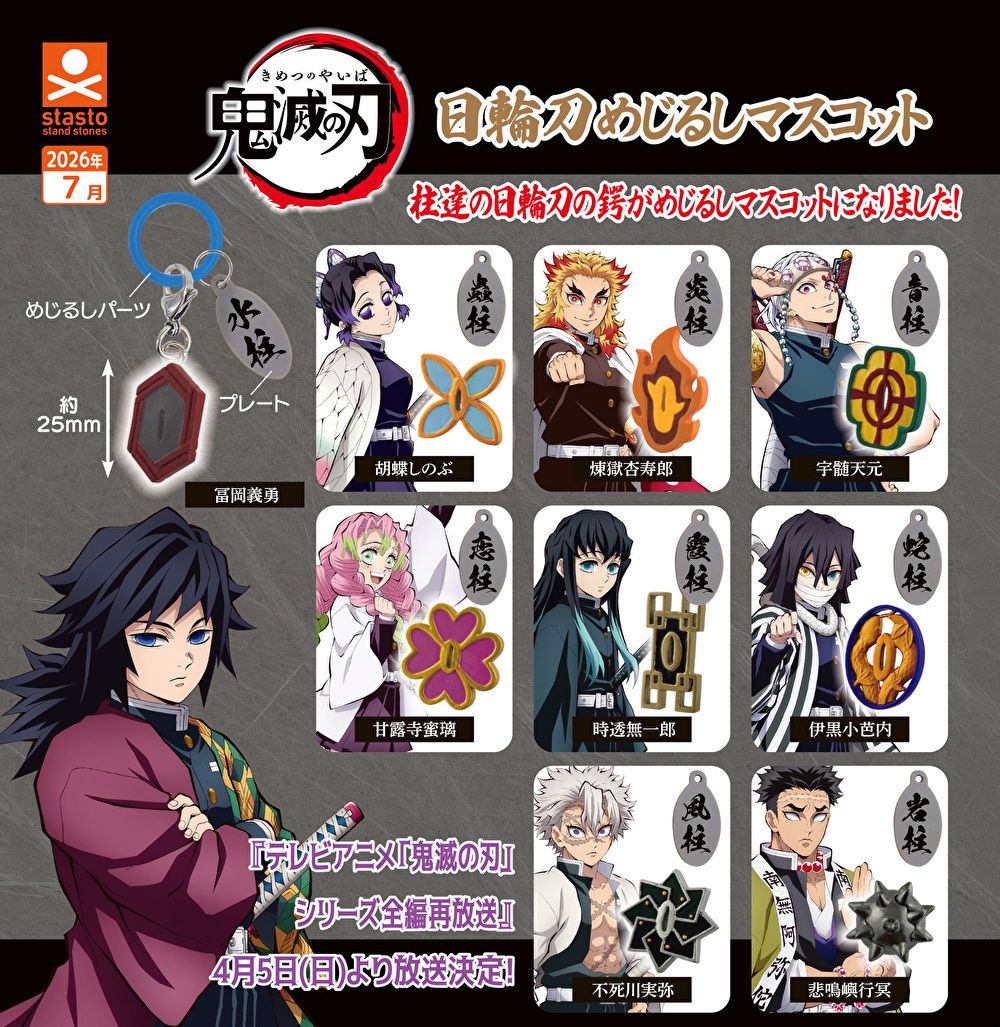
Demon Slayer Merchandise in Tokyo
You don’t need a special event to buy Demon Slayer merchandise. Tokyo’s anime districts carry it year-round.
Ikebukuro
- Animate Ikebukuro — Japan’s largest anime store. Multiple floors, extensive Demon Slayer section. For the full Ikebukuro experience, see our Ikebukuro Anime Guide.
- Sunshine City — Hosts rotating Demon Slayer collaboration shops and photo zones tied to movie releases and events.
- Jump Shop Ikebukuro — Official Shueisha store with Demon Slayer Jump merchandise.
Akihabara
- Animate Akihabara — Multi-floor store with dedicated Demon Slayer merchandise.
- Radio Kaikan — Multiple specialty shops including K-Books for figures and collectibles.
- Kotobukiya Akihabara — Premium figure displays and sales. Check our Akihabara Complete Guide.
Shibuya
- Jump Shop Shibuya PARCO (6th floor) — Official merchandise from all Jump titles including Demon Slayer.
- Kotobukiya Shibuya — High-end figures and display pieces.
Suggested Routes
Half-Day Route: Asakusa + Yoshiwara (3-4 hours)
Start at Asakusa Station (Ginza Line). Walk through Kaminarimon Gate and Nakamise Shopping Street to Senso-ji Temple. Explore the temple grounds and five-story pagoda. Then walk north to the former Yoshiwara district (15 minutes). Visit Yoshiwara Shrine. Return to Asakusa for lunch — plenty of traditional restaurants along the main streets.
Transit cost: One subway ride to Asakusa (¥170-250 depending on origin).
Half-Day Route: Shrine Pilgrimage (3-4 hours)
Start at Shinjuku Station. Take the Seibu Shinjuku Line to Numabukuro Station (20 min). Visit Numabukuro Hikawa Shrine, collect goshuin. Return to Ikebukuro, transfer to Toei Mita Line, ride to Nishi-Sugamo (15 min). Visit Takinogawa Hachiman Shrine, collect goshuin. End in Ikebukuro for anime shopping.
Transit cost: About ¥500-700 total.
Full-Day Route: Mt. Kumotori Hike (10-12 hours)
Leave Shinjuku by 6:00 AM. JR Chuo Line to Tachikawa, JR Ome Line to Okutama Station. Bus to Kamonosawa trailhead. Summit and return. Take the evening bus back to Okutama, train back to Shinjuku. You’ll return around 18:00-19:00. This is an all-day commitment — don’t schedule anything else.
Transit cost: About ¥3,000-4,000 round trip (covered by JR Pass if you have one).
Frequently Asked Questions
Do I need to be a hardcore fan to enjoy these spots?
Senso-ji and Asakusa are must-visits regardless of Demon Slayer. The shrines are beautiful even without the anime connection. Only Mt. Kumotori is specifically a “fan pilgrimage” — it’s a challenging hike with no anime theming on-site. The connection is purely the knowledge that you’re standing where Tanjiro lived.
Are the shrines commercial or authentic?
Completely authentic. These are centuries-old Shinto shrines that predate Demon Slayer by hundreds of years. The anime goshuin are a recent addition in response to fan interest, but the shrines themselves are real places of worship. Be respectful.
Is Mt. Kumotori doable as a day trip from Tokyo?
Yes, but it’s a long day. Leave early, move at a steady pace, and you’ll be fine. Mountain hut accommodation is available near the summit if you’d rather split it into two days.
What about locations outside Tokyo?
Ashikaga Flower Park in Tochigi Prefecture (2 hours from Tokyo) is the real-world inspiration for the wisteria-covered Mt. Fujikasane from the Final Selection arc. The wisteria blooms mid-April to mid-May. Outside that season, a winter LED light show recreates the wisteria effect with millions of lights (October-March). Worth a day trip if timing works.
Demon Slayer Guided Pilgrimage Tour
A local guide takes you to every Kimetsu no Yaiba filming location in Tokyo, explaining the scene connections and helping you take the perfect reference photos.
More Anime Pilgrimages
- 10 Anime Pilgrimage Spots in Tokyo You Can Visit Today
- Your Name Pilgrimage Tokyo: Every Real Location + Walking Route
- Akihabara Complete Guide 2026
More Anime Pilgrimages
- Jujutsu Kaisen Shibuya Pilgrimage Guide — Walk the real Shibuya locations from JJK
- Weathering With You Locations Tokyo — Another Shinkai masterpiece pilgrimage
- SPY×FAMILY Tokyo Fan Day Guide — Visit real Tokyo spots from SPY×FAMILY
- One Piece Kumamoto Statue Tour — A day trip pilgrimage for One Piece fans
- Anime Collab Cafe Calendar — Check for Demon Slayer collabs during your visit
- Japan IC Card & Transit Guide — Navigate between pilgrimage spots easily
Follow @japan_pop_now on Instagram for anime pilgrimage location guides, collab cafe updates, and Tokyo pop culture coverage.
More Pilgrimage Guides

Written by Takapon
Born and raised in Kyoto, currently in Tokyo. Former management consultant turned anime culture writer. Has visited countless collaboration cafes and pilgrimage spots across Japan. Also sharing tips on Instagram @pop_now_jp.
Follow @pop_now_jp on Instagram