Last updated: April 2026
Japan Luggage Forwarding 2026: Ship Your Bags for ¥2,000 Between Cities
Skip the heavy suitcase shuffle. Here’s exactly how takuhaibin (Japanese luggage forwarding) works, costs ¥2,000-3,000 per bag, and how to use it so you actually enjoy your trip instead of playing pack mule between hotels.
- The Real Problem It Solves (And When To Skip It)
- What Is Takuhaibin, Exactly?
- The Main Players: Yamato, Sagawa, JAL ABC
- Step-by-Step: How To Use Yamato At Your Hotel
- Alternatives: When Luggage Forwarding Doesn’t Make Sense
- Price Comparison Table: Luggage Forwarding vs Alternatives
- Where To Drop Off Luggage (Beyond Hotels)
- The Anime Merch Haul Strategy (Ship Purchases Home Mid-Trip)
- Same-Day Airport-to-Hotel Delivery
- When Luggage Forwarding Pays for Itself vs Doesn’t
- Common Mistakes (Avoid These)
- Free Alternative: Skip Forwarding Altogether (Travel Light)
- Related Guides
- Final Word
The Real Problem It Solves (And When To Skip It)
You land in Tokyo with a suitcase that made sense when you packed it three days ago. Now you’re heading to Kyoto tomorrow, then Osaka, and that suitcase has become your enemy. You either haul it on trains (fun fact: Japanese trains have no luggage racks), check it at the station (¥2,000+ per day), or you send it ahead.
Takuhaibin is the third option. It’s Japan’s domestic luggage forwarding system, and it’s so efficient and cheap that once you use it, you wonder why every country doesn’t have one.
Real math: Carrying bags between three cities = 6 hours of frustration, missed photo ops, sore shoulders. Shipping bags between three cities = ¥6,000 ($40), 30 minutes of hotel admin, and you arrive hands-free.
But here’s the honest part: if you’re staying in one place the whole trip, or you’re only visiting Tokyo for 3 days, luggage forwarding probably costs more than it saves. We’ll show you exactly when to use it and when to just manage your bags.
What Is Takuhaibin, Exactly?
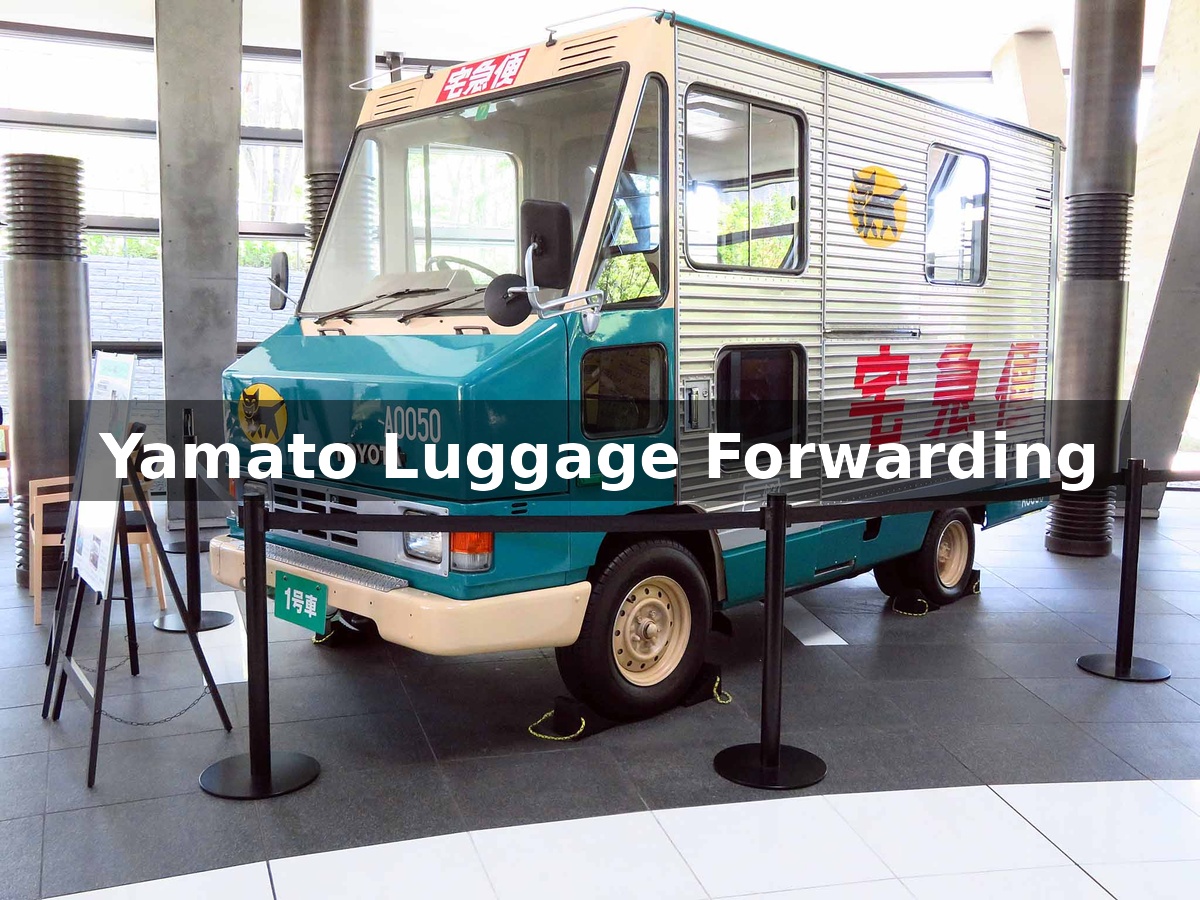
Takuhaibin (宅配便, literally “home delivery convenience”) is Japan’s parcel delivery system. Yamato Transport (Kuroneko, the black cat company) controls about 40% of the market. Sagawa Express and Japan Post are the other big players.
For travelers, it means: you drop your suitcase at a hotel, convenience store, or train station. It gets picked up, sorted, and delivered to your next hotel by tomorrow or the next morning. Cost per suitcase: ¥2,000-3,000 ($13-20). Simple, reliable, no customs nonsense (domestic only).
Key difference from luggage storage: Luggage storage locks your bag in a tiny locker until you pick it up. Takuhaibin transports your bag to another location while you travel.
The Main Players: Yamato, Sagawa, JAL ABC
Yamato Transport (Kuroneko/クロネコヤマト) — The Default Choice
Market share: ~40% of Japan’s parcel market. Easiest to recognize (black cat logo). Available at most hotels, train stations, and convenience stores.
Strengths:
- Available literally everywhere (7-Eleven, FamilyMart, hotels, train stations)
- Same-day or next-day delivery to most cities
- English-speaking staff at major hotels
- Can track shipment online
Weaknesses:
- No luggage storage for oversized bags — they go straight to your next hotel
- Sometimes pricier than regional alternatives
- During peak season (Golden Week, New Year), delivery times can slow
Cost: ¥2,000-3,500 per suitcase depending on size and destination distance. A 23-inch carry-on runs ~¥2,000. A 26-30 inch checked bag runs ~¥2,500-3,000.
Delivery speed: Same-day delivery available Tokyo → Kyoto (by 4 PM if dropped before noon). Most deliveries next business day.
Sagawa Express (佐川急便) — The Budget Alternative
Strengths:
- Often ¥200-500 cheaper than Yamato for long distances
- Strong in Kansai region (Osaka, Kyoto, Kobe)
- Reliable tracking system
Weaknesses:
- Fewer hotels use Sagawa as primary carrier
- Pickup availability lower in small towns
- Less English support at local locations
Cost: ¥1,900-2,800 per suitcase (typically ¥300-500 less than Yamato, but varies by route).
Best for: Osaka-Kyoto-Tokyo loops where you’re familiar with the system and want to save a few hundred yen.
JAL ABC (Japan Airlines Baggage Service) — Airport-Specific
What it does: Picks up luggage from Narita/Haneda airport and delivers to your hotel same-day. Also does reverse delivery: hotel to airport before your flight.
Strengths:
- No need to carry bags through Tokyo transit on arrival day
- Same-day delivery to most central Tokyo hotels
- Available 24/7 at major airports
Weaknesses:
- Only works airport → hotel (not between cities)
- Pricier: ¥2,500-3,500 for airport delivery
- Only to Tokyo and surrounding areas
Cost: ¥2,500-3,500 per bag. Worth it if you land late and want to skip Tokyo’s transit confusion on your first day.
Book at: JAL ABC counter at Narita Terminal 1/2 or Haneda Terminal 1/2/3, or JAL website.
Step-by-Step: How To Use Yamato At Your Hotel
Most travelers’ first experience with takuhaibin is at their hotel. Here’s exactly what happens:
Step 1: Tell the Front Desk You Want to Ship Your Bag
Go to the front desk and say: “I’d like to use takuhaibin to send my luggage to [next hotel name].”
Or hand them this phrase: “明日、別のホテルに荷物を送りたいです。どのサービスを使いますか?” (Tomorrow, I want to send my luggage to a different hotel. Which service do you use?)
They’ll almost always have Yamato. Some nicer hotels offer both Yamato and Sagawa.
Step 2: Fill Out the Shipping Slip (English or Japanese)
The front desk will give you a form. It looks more intimidating than it is.
Fields to fill:
- From: Your current hotel name and address (already printed, usually)
- To: Your next hotel name, address, and phone number (you need this!)
- Recipient name: Your name
- Phone number: Your number (or hotel’s number)
- Delivery date: When should it arrive? (Tomorrow, specific date, etc.)
- Number of items: Just write “1” (one suitcase)
Pro tip: Have your next hotel’s phone number handy. You can find it on their booking confirmation or Google Maps.
Important: Write your destination hotel’s address in Japanese if possible. The front desk can help. Yamato’s system is still partly address-based despite tracking numbers.
Step 3: Choose Size and Weight Category
The form has checkboxes for luggage size:
- 小 (small): Carry-on size, up to 23 inches
- 中 (medium): 24-26 inches checked bag
- 大 (large): 27-30 inches or oversized
Estimate or just show the hotel staff your bag. They’ll check the right box.
Step 4: Choose Delivery Speed (Optional)
Most default to next-day delivery. For ¥500-800 extra, some hotels offer same-day delivery (4 PM window).
Step 5: Pay and Hand Over the Bag
Payment is usually at checkout or billed to your room. Hand your suitcase to staff. They’ll put the shipping sticker on it and it gets picked up later that day or next morning.
What to expect: Your bag arrives at the next hotel by 6-9 PM (next-day service). The hotel will call you or text you when it arrives. Pick it up from the front desk — no extra cost.
Alternatives: When Luggage Forwarding Doesn’t Make Sense
Coin Lockers at Train Stations (¥300-800/day)
Best for: Quick day trips from your home base hotel.
Cost: ¥300-500 for small (carry-on size), ¥600-800 for large (checked size). Prices vary by station.
Pros: Cheap if you’re just storing for one day, widely available at every major station.
Cons: Lockers fill up fast during peak hours. Not available for multi-day storage.
Luggage Storage Apps (ecbo cloak, Carely) — ¥500-1,500/day
What they do: Partner with local businesses (hotels, restaurants, shops) to store luggage in their back room. You book via app, drop off, and pick up later.
Best for: Storing bags for just a few hours while you explore a city before checking into your next hotel.
Cost: ecbo cloak runs ¥600-1,500 per bag per day depending on location.
Price Comparison Table: Luggage Forwarding vs Alternatives
| Method | Cost (1 Suitcase) | Best For | Pros | Cons |
|---|---|---|---|---|
| Yamato Takuhaibin | ¥2,000-3,000 ($13-20) | Moving between cities | Reliable, everywhere, next-day | Can’t reverse delivery |
| Sagawa Express | ¥1,900-2,800 ($12-19) | Kansai trips, budget | Cheaper, Kansai-strong | Fewer pickup spots |
| JAL ABC (airport) | ¥2,500-3,500 ($17-23) | Airport → hotel on arrival | Saves taxi/transit hassle | Airport-only, pricier |
| Coin Locker | ¥300-800/day ($2-5) | Day trips, short storage | Cheap, instant, no admin | Fills up, no overnight |
| ecbo cloak App | ¥600-1,500/day ($4-10) | A few hours between hotels | More locations, app-based | No overnight, must use app |
| Hotel Luggage Storage | ¥1,000-2,000/day | Early checkout, late arrival | Current hotel, no shipping | Expensive, must pick up |
Where To Drop Off Luggage (Beyond Hotels)
7-Eleven and FamilyMart
Most convenience stores accept Yamato takuhaibin shipments. Look for the Yamato sign near the counter.
Process: Ask the staff “Takuhaibin onegaishimasu” (I’d like to use luggage forwarding). They’ll give you the same form, you fill it out, and they’ll arrange pickup — usually the same day.
Cost: Same as hotel dropoff (¥2,000-3,000).
Major Train Stations
Many JR stations have Yamato luggage forwarding desks, especially Tokyo, Kyoto, Osaka. Look for the kiosk or ask station staff.
Advantage: English-speaking staff more likely here than at convenience stores.
The Anime Merch Haul Strategy (Ship Purchases Home Mid-Trip)
You’re in Akihabara. You buy five shelves worth of anime figures and goods. Your suitcase is already full. What now?
You use Yamato to ship your purchases home to your next hotel (or back to your first hotel, which will hold them). This actually works and is brilliant.
How to do it:
- Buy your merch. Ask the shop if they offer Yamato shipping (bigger shops like Akibara-Kakaku or Loft do).
- The shop can ship directly to your next hotel if you give them the address.
- If the shop won’t, go to a nearby Yamato counter (7-Eleven) and ship the box yourself. Cost per box: ¥2,500-4,000 depending on size and weight.
- Box arrives at your next hotel. You collect it, add to it, ship again if needed.
Cost: ~¥3,000-4,000 per box. Yes, it’s cheaper and easier than luggage fees on your flight home for overweight baggage.
Same-Day Airport-to-Hotel Delivery
You land at Narita or Haneda. You want your bag at your Tokyo hotel by 6 PM so you can go out that night.
Option 1: JAL ABC — If you flew Japan Airlines, JAL ABC counters at both Narita and Haneda will ship your bag to a Tokyo hotel for ¥2,500-3,500. Same-day delivery by 6-9 PM.
Option 2: Yamato at Airport — Both Narita and Haneda have Yamato service counters. Same-day delivery available to central Tokyo (¥3,000-3,500).
Option 3: Hotel Arrange It — Email your hotel before you arrive. Most hotels will arrange Yamato delivery from the airport (¥2,500-3,500 additional).
Real cost analysis: Airport → hotel Yamato (¥3,000) vs. Taxi (¥8,000-15,000 from Narita). Yamato saves ¥5,000-12,000. Worth it.
When Luggage Forwarding Pays for Itself vs Doesn’t
Luggage Forwarding Makes Sense If You’re:
- Visiting 3+ cities in one trip (Tokyo → Kyoto → Osaka)
- Taking long trains between destinations (Shinkansen not designed for luggage)
- Visiting popular areas during peak season where trains are packed
- Carrying a checked suitcase + carry-on
- Arriving late and want to explore first, then check in
Skip Luggage Forwarding If You’re:
- Staying in one city for your entire trip
- Visiting 2 cities, staying 4+ days in each
- Traveling with just a carry-on
- Using a tour that handles bags
- On a super tight budget and don’t mind hauling bags
Common Mistakes (Avoid These)
- Not having your next hotel’s phone number: The form asks for it. You need it. Write it down before you leave your hotel.
- Addressing the hotel in English: Yamato’s system still uses addresses. Have staff transliterate in Japanese if possible.
- Expecting same-day delivery for free: Standard is next business day. Same-day costs ¥500-800 extra.
- Changing plans after shipping: Your bag is already gone. Yamato can’t reroute easily. Ship only after you’re confident in your itinerary.
- Leaving valuables in shipped luggage: Don’t ship irreplaceable items, expensive electronics, or cash.
- Not confirming the hotel received it: Check your phone messages. Bags sit at front desk for 24 hours, then may get returned.
Free Alternative: Skip Forwarding Altogether (Travel Light)
The best luggage strategy is having less luggage. If you travel with just a carry-on, you never ship anything.
How to pack 1 carry-on for a 10-day Japan trip:
- 4-5 shirts (wash in the sink or use a laundromat)
- 2 pairs of pants/bottoms
- Underwear for 5 days, then wash
- 1 light jacket
- Toiletries (minimal)
- Phone, charger, 1 universal adapter
- Passport, cash, IC card
Related Guides
- Japan IC Card Transit Guide: SUICA, PASMO, and Why You Need One
- Anime Merch Shopping Guide: Akihabara, Ikebukuro, Shibuya 2026
- Akihabara Complete Guide 2026: Shops, Restaurants, Anime Cafes
Final Word
Takuhaibin is one of Japan’s best-kept travel secrets. It’s cheap (¥2,000-3,000), reliable (99% on-time delivery), and it solves a real problem: carrying heavy bags on trains. Use it if you’re moving between cities. Skip it if you’re staying put. Either way, now you know how.
Japan Travel Essentials

Written by Takapon
Born and raised in Kyoto, currently in Tokyo. Former management consultant turned anime culture writer. Has visited countless collaboration cafes and pilgrimage spots across Japan. Also sharing tips on Instagram @pop_now_jp.
Follow @pop_now_jp on Instagram

Comments