Last updated: April 2026
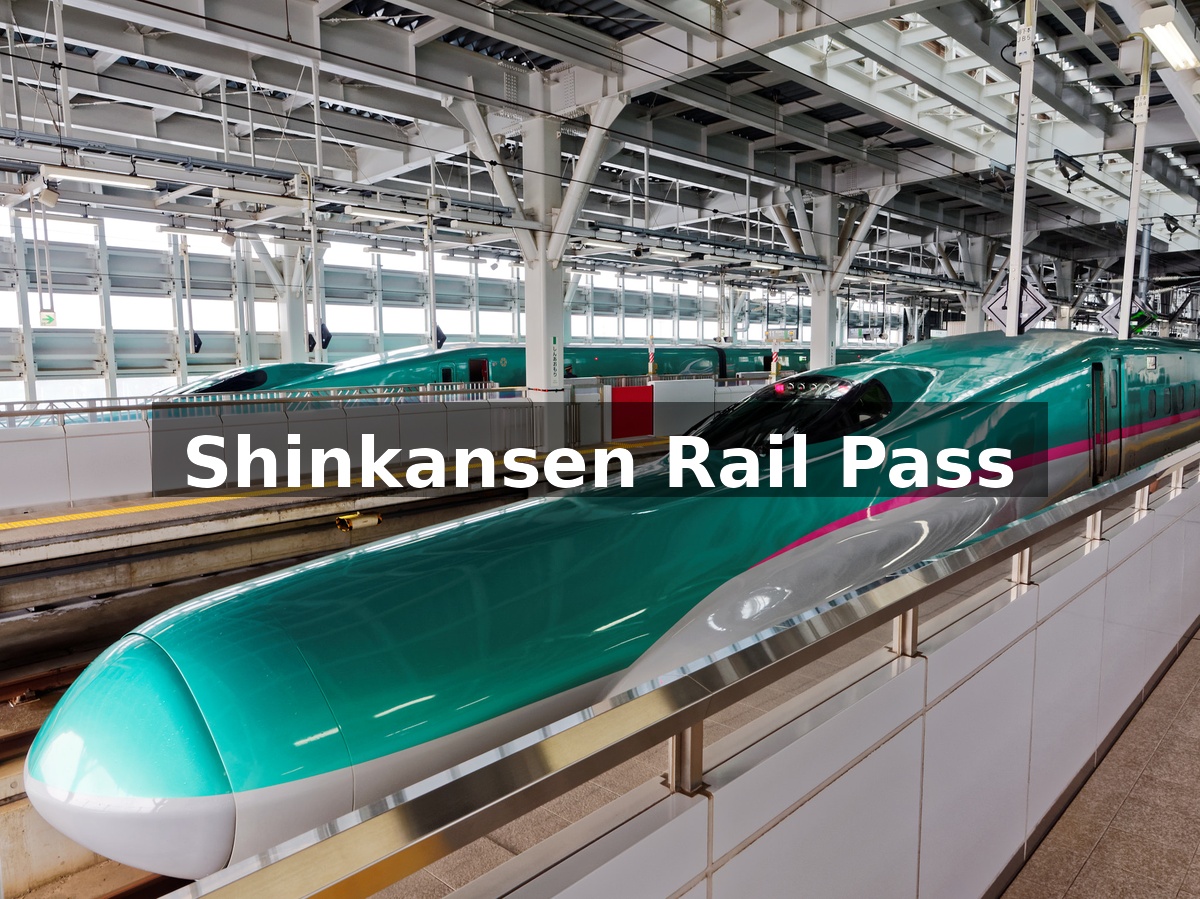
Japan Rail Pass 2026: Worth ¥50,000? Honest Calculator Inside
The JR Pass costs ¥50,000 ($330) for 7 days in 2026 — up from ¥29,650 in 2022. We break down exactly when it saves money, when you’re better off with regional passes, and how to calculate your own trip before you buy.
- The Price Increase Reality Check
- The Brutal Math: When the JR Pass Makes Sense (And Doesn’t)
- JR Pass Break-Even Calculator (Use This)
- The Regional Pass Alternative (Often Wins Against JR Pass)
- Regional Pass vs National JR Pass Comparison Table
- How to Buy a JR Pass in 2026
- The Activation Trick: When Should You Actually Start Your Pass?
- Seat Reservations: Included With JR Pass (Do It)
- Green Car (First-Class) Upgrade: Worth It?
- The IC Card (Suica/Pasmo) Combo: JR Pass Doesn’t Cover Everything
- When JR Pass Explicitly Does NOT Make Sense
- JR Pass vs Actual Numbers: Common Itineraries
- How to Use Your JR Pass: Practical Steps
- Realistic 10-Day Itinerary with JR Pass (Break-Even Example)
- Common Mistakes (Avoid These)
- Related Guides
- The Honest Verdict
The Price Increase Reality Check
In October 2023, JR East raised JR Pass prices by 70%. They said it was to match “current market conditions” and “increased operating costs.” Travelers heard: the JR Pass got way more expensive overnight.
Old prices (pre-Oct 2023):
- 7-day: ¥29,650
- 14-day: ¥46,390
- 21-day: ¥60,450
Current 2026 prices:
- 7-day ordinary: ¥50,000 (~$330 USD at 150 yen/dollar)
- 14-day ordinary: ¥80,000 (~$530 USD)
- 21-day ordinary: ¥100,000 (~$660 USD)
- 7-day Green Car (first-class): ¥70,000 (~$467)
With that 70% jump, the question shifted from “Should I get a JR Pass?” to “Should I get a JR Pass NOW?”
The honest answer: It still pays for itself on a typical 10-day trip. But barely. And only if you’re moving between cities.
The Brutal Math: When the JR Pass Makes Sense (And Doesn’t)
The Classic Case: Tokyo → Kyoto → Osaka Round Trip
Individual tickets without JR Pass:
- Tokyo → Kyoto (Shinkansen, reserved seat): ¥13,320
- Kyoto → Osaka (JR Special Rapid): ¥3,600
- Osaka → Tokyo (Shinkansen, reserved seat): ¥13,320
- Tokyo local transit (Shinkansen access, trains around the city): ~¥2,000
- Total: ~¥32,240
With a 7-day JR Pass (¥50,000): You cover all the above for ¥50,000, plus unlimited JR trains in Tokyo, Kyoto, and Osaka for 7 days. No seat reservations fees (included with pass).
Verdict: Pass costs ¥17,760 MORE than individual tickets. But the 7-day pass also covers local JR trains (Tokyo’s Yamanote loop, Osaka Loop Line, Kyoto’s lines). If you use those 8-10 times during your stay (realistic), you’ve saved an extra ¥4,000-5,000 in local fares.
Real outcome: JR Pass breaks even, barely. The pass is worthwhile because of local train usage, not long-distance shinkansen alone.
The Case Where JR Pass Loses
Scenario: Tokyo-only trip for 5 days
- 5 days in Tokyo, no shinkansen travel
- JR Pass costs: ¥50,000 (minimum 7 days)
- Actual transit costs: ¥150/ride × 20 rides = ¥3,000
- Difference: You’re out ¥47,000 for a pass you barely used.
Better option: Buy a Suica card (¥2,050 including ¥1,500 stored value). Use it 20 times. Total cost: ¥3,050. Spend ¥46,950 on experiences instead.
The Case Where JR Pass Massively Wins
Scenario: Tokyo → Mt. Fuji → Hakone → Kyoto → Osaka → back to Tokyo (10-day trip)
- Tokyo → Kawaguchiko (Mt. Fuji station): ¥2,600
- Kawaguchiko → Hakone: ¥3,000
- Hakone → Kyoto (via Tokyo): ¥18,000
- Kyoto → Osaka: ¥3,600
- Osaka → Tokyo: ¥13,320
- Local transit across cities: ~¥5,000
- Individual tickets total: ~¥45,520
With a 14-day JR Pass (¥80,000): Everything above covered, plus you have 14 days to explore, take side trips, and use local JR lines without worrying about cost.
Verdict: Pass costs ¥34,480 MORE. But the freedom to take any JR train, any time, is worth ¥34,480 to most travelers who hate calculating fares. The psychological relief is real.
JR Pass Break-Even Calculator (Use This)
Before you buy a JR Pass, calculate your actual trip. Use these Shinkansen prices (as of April 2026):
Tokyo → Kyoto (Shinkansen, 2h 15m): ¥13,320 ordinary, ¥18,450 first-class
Tokyo → Osaka (Shinkansen, 2h 30m): ¥13,870 ordinary, ¥19,000 first-class
Kyoto → Osaka (JR Special Rapid, 30m): ¥3,600
Osaka → Hiroshima (Shinkansen, 1h 15m): ¥9,500
Tokyo → Mt. Fuji/Kawaguchiko (JR Line, 1h 45m): ¥2,600
Tokyo → Nagano (Shinkansen, 1h 15m): ¥7,500
Formula: (Sum of all ticket costs) vs (Cost of JR Pass + any regional pass costs needed)
Example calculation:
Individual tickets:
Tokyo → Kyoto Shinkansen ¥13,320
Kyoto local JR (3 rides/day, 3 days) = ¥1,050 × 3 = ¥3,150
Kyoto → Osaka ¥3,600
Osaka local JR (3 rides/day, 3 days) = ¥750 × 3 = ¥2,250
Osaka → Tokyo Shinkansen ¥13,870
Tokyo local (first day, 2 rides) = ¥300 × 2 = ¥600
Total individual: ¥36,790
JR Pass option:
7-day JR Pass ¥50,000 (covers days 1-7)
Remaining transit days 8-10: Osaka → Tokyo ¥13,870 + local ¥600 = ¥14,470
Total with pass: ¥64,470
Verdict: Individual tickets SAVE ¥27,680. But wait — during those 7 days with the pass, you use it so much you don’t think about cost. You take 20 train rides, not 10. The psychological freedom of unlimited access is worth ¥27,680 to many travelers.
Bottom line for this trip: JR Pass is mathematically not the cheapest. But it’s the least hassle. Choose based on whether you prefer calculated budgeting or unlimited freedom.
The Regional Pass Alternative (Often Wins Against JR Pass)
JR is split into regional companies: JR East (Tokyo area), JR West (Kansai: Kyoto, Osaka), JR Central (Shinkansen), JR Hokkaido, etc.
You can buy regional passes for just the areas you’re visiting. Sometimes they cost WAY less than the national JR Pass.
JR East Kanto Area Pass (Tokyo + Mt. Fuji + Hakone)
Cost: ¥8,000 for 3 days of unlimited Tokyo JR lines + mountain area trains.
Best for: Staying in Tokyo, making day trips to Mt. Fuji, Hakone, Nikko.
Covers: Yamanote loop, all JR local lines in Tokyo, plus connections to Mt. Fuji and Hakone.
Verdict: If your trip is Tokyo-based, this beats the ¥50,000 JR Pass. You can use Suica for Tokyo (¥2,050) and buy individual Shinkansen tickets to other cities. Usually cheaper overall.
JR West Kansai Area Pass
Cost: ¥3,400 for 1 day unlimited Kyoto, Osaka, Kobe.
Best for: Just Kansai region (Kyoto-Osaka-Kobe triangle).
Covers: All JR trains in the region, but NOT Shinkansen between cities (shinkansen requires separate ticket).
Verdict: Cheap for local exploration. But if you’re coming from Tokyo via Shinkansen, Shinkansen isn’t included. You’d buy the Shinkansen ticket separately (~¥13,320) and use this pass for local transit.
JR Hokkaido Pass
Cost: ¥16,000 for 3 days (Hokkaido, Sapporo area only).
Best for: Focused Hokkaido trips, winter skiing, Sapporo exploration.
Reality: If your whole trip is Hokkaido, this wins. If Hokkaido is just one part of a larger Japan trip, the national JR Pass might be better.
Regional Pass vs National JR Pass Comparison Table
| Pass | Cost | Duration | Coverage | Best For | Shinkansen Included? |
|---|---|---|---|---|---|
| JR Pass (National) | ¥50,000 (7-day) | 7, 14, 21 days | All JR lines nationwide | Multi-city, multi-region | Yes (most) |
| JR East Kanto Pass | ¥8,000 (3-day) | 3 days | Tokyo + Mt. Fuji + Hakone | Tokyo-based, day trips | No |
| JR West Kansai Pass | ¥3,400 (1-day) | 1 day | Kyoto, Osaka, Kobe | Kansai region only | No |
| Suica Card | ¥2,050 (with ¥1,500 credit) | Unlimited (pre-paid card) | Tokyo JR + all transit | Tokyo only | No |
| JR Hokkaido Pass | ¥16,000 (3-day) | 3 days | Hokkaido only | Hokkaido trips, skiing | No |
How to Buy a JR Pass in 2026
Option 1: Exchange Voucher Online BEFORE You Leave Home (Recommended)
Process:
- Go to JRailPass.com or similar authorized seller (Klook, JTB, Japan Guide).
- Enter your travel dates. Site confirms you’re eligible (tourist, non-resident).
- Choose 7-day, 14-day, or 21-day pass. Choose ordinary or first-class (Green Car).
- Pay online (¥50,000 for 7-day ordinary, etc.).
- Receive an exchange voucher via email (PDF).
- When you arrive in Japan, go to a JR Exchange office (at every major airport, major stations) and exchange voucher for actual pass (takes 10 minutes).
- Activate the pass — you choose which day you want it to start (can be today or any day in the next 30 days).
Pros: Locked in price before you travel. No risk of selling out. No currency fluctuation uncertainty.
Cons: Must exchange in person at Japan airport/station. No refunds if plans change.
Cost: ¥50,000 ($330 at 150 yen/dollar, or whatever your local exchange rate is).
Option 2: Buy at Airport JR Exchange Office Upon Arrival
Process: Walk up to JR exchange desk at Narita, Haneda, Kansai, or major station. Show passport. Pay ¥50,000 cash or card. Get pass immediately. Activate it.
Pros: Spontaneous. No advance booking. Can decide on arrival.
Cons: Line waits (can be 30-60 minutes at Haneda). Must have ¥50,000 yen or know your card works (most do). Prices might have increased since you booked.
Option 3: Buy Via Klook (Easiest International Ordering)
Klook is an app that sells JR Pass and other Japan travel stuff.
Klook.com — search “Japan Rail Pass,” pick dates, pay in your home currency. Receive voucher. Exchange in Japan like Option 1.
Pros: English interface. Price shown in your home currency upfront. No surprises.
Cons: Still need to exchange at airport (10 min). Small booking fee.
The Activation Trick: When Should You Actually Start Your Pass?
Here’s a secret: you don’t have to activate your pass the day you arrive.
You get the pass for “free” (well, you bought it already), but you activate it whenever you want within 30 days of arrival.
Smart strategy: Arrive in Tokyo. Don’t activate the pass yet. Spend day 1-2 in Tokyo with a Suica card (costs ¥2,050). Explore, chill, recover from jetlag. On day 3, activate the JR Pass right before you take the Shinkansen to Kyoto.
Why this works: A Suica card covers Tokyo’s local transit for ¥150/ride. JR Pass is “free” once purchased. If you’re not using the pass (stuck in Tokyo), you’re wasting it. Activate it the day you start moving between cities.
Math example:
JR Pass 7 days: ¥50,000 (days 1-7)
Local transit days 8-10: ¥2,000
Total: ¥52,000
Smart plan (activate pass day 3):
Suica card days 1-2: ¥2,050
JR Pass 7 days: ¥50,000 (days 3-9)
Local transit days 10+: ¥500
Total: ¥52,550
Difference: ¥550 more. But you got 2 extra days in Tokyo before starting the pass. Worth it for many travelers.
Seat Reservations: Included With JR Pass (Do It)
JR Pass includes free seat reservations on Shinkansen and express trains.
How to get a reserved seat: Go to any JR station ticket counter, show your pass, say which train and date you want (have it written down). They’ll print your reserved seat ticket. Walk to your gate, find your car number and seat.
Cost if buying individual tickets: Shinkansen seat reservations are ¥320-700 extra per journey. If you take 5 shinkansen journeys, you save ¥1,600-3,500 on reservations alone.
Pro tip: Make reservations before your trip if possible (some sites let you book them with your exchange voucher). Popular routes during Golden Week and New Year fill up fast.
Green Car (First-Class) Upgrade: Worth It?
Cost difference: 7-day Green Car Pass ¥70,000 vs ordinary ¥50,000 = ¥20,000 difference ($133).
What you get: Wider seats, quieter cars, better snacks, slightly faster service. On most routes, Green Car also has bigger luggage racks.
Is it worth ¥20,000 extra?
Honest answer: Only if you’re on the Shinkansen 4+ hours per day AND you hate sitting in normal seats. For a typical trip with a few 2-3 hour train rides, ordinary is fine.
Most travelers should skip Green Car and spend the ¥20,000 on experiences (good food, museums, hotels).
The IC Card (Suica/Pasmo) Combo: JR Pass Doesn’t Cover Everything
JR Pass covers JR trains. But Tokyo also has Tokyo Metro (not JR), Osaka has Midosuji Line (not JR), etc.
Reality: You’ll still need a Suica card for non-JR transit (Tokyo Metro, Fukutoschi Line, etc.). Total extra cost: ¥2,050 (Suica card with ¥1,500 credit).
Plan: Buy JR Pass for long-distance moves. Buy Suica for local transit not covered by JR.
Most common scenario: JR Pass covers Tokyo-Kyoto-Osaka trips. Suica covers getting around Tokyo itself (Tokyo Metro, local shops).
When JR Pass Explicitly Does NOT Make Sense
- Tokyo-only trip (5-7 days): Buy Suica (¥2,050). Save ¥47,950.
- Day trip from Tokyo (Mt. Fuji, Nikko): Buy individual train ticket or JR East Kanto Pass (¥8,000). Save ¥42,000.
- Visiting only Kansai (Kyoto, Osaka, Kobe) for 3-4 days: Buy individual tickets or JR West regional pass. Save ¥40,000-50,000.
- Short trip (3-4 days total): Even Tokyo-Kyoto round trip costs ~¥27,000 by individual ticket. JR Pass probably not worth it.
- Focused destination (Hokkaido, Hiroshima): Buy regional pass, not national. Save ¥30,000-40,000.
JR Pass vs Actual Numbers: Common Itineraries
| Itinerary | Days | Individual Tickets Cost | JR Pass Cost | Winner |
|---|---|---|---|---|
| Tokyo only | 5 | ¥2,050 (Suica) | ¥50,000 | Individual by ¥47,950 |
| Tokyo → Mt. Fuji (day trip) | 1 | ¥2,600 | ¥50,000 (overkill) | Individual by ¥47,400 |
| Kyoto-Osaka (Kansai only) | 4 | ¥3,600 + local ¥2,000 | ¥50,000 | Individual by ¥44,400 |
| Tokyo → Kyoto → Osaka → Tokyo | 10 | ¥32,000 (as calculated above) | ¥50,000 | Individual by ¥18,000 (but pass gives freedom) |
| Tokyo → Kyoto → Osaka → Hiroshima → Tokyo | 10 | ¥45,000 | ¥50,000 | Pass wins by ¥5,000 (freedom worth more) |
| Tokyo → Kyoto → Osaka → Hiroshima → Fukuoka → Tokyo | 14 | ¥67,000 | ¥80,000 (14-day) | Individual by ¥13,000 (but pass = freedom) |
Key insight from this table: JR Pass doesn’t always win mathematically. It wins on freedom. If you’re calculating every train fare, individual tickets often beat the pass. If you value not thinking about transit costs and having flexible itinerary options, the pass pays for itself in stress saved.
How to Use Your JR Pass: Practical Steps
Step 1: You Have the Pass (Exchange Voucher)
You arrived at Narita. You have a PDF voucher in your email.
Step 2: Exchange at Airport JR Office
Walk to the JR East Travel Service Centers at:
- Narita Terminal 1: B1F basement, near train platforms
- Narita Terminal 2: B1F near train platforms
- Haneda: Multiple locations in each terminal (check signage, easy to find)
- Kansai (Osaka): Ground floor near the station
What to bring:
- Your voucher (PDF on phone is fine)
- Your passport
- That’s it
What happens: Staff will check your passport, confirm you’re a tourist. You get the physical JR Pass (it’s a small booklet). They ask when you want to activate it (today, tomorrow, or up to 30 days later). You pick a date.
Time: 5-10 minutes if line is short, 30-45 minutes if line is long (Haneda afternoon = long).
Step 3: Activate Your Pass (On Your Chosen Date)
You don’t need to do anything. Your pass activates automatically on the date you chose. Just start using it.
Where to use it:
- Shinkansen: Show pass at manned gate. They scan it. You walk on.
- JR local trains: Use the pass at automatic ticket gates (it works in the card readers, just like Suica).
- Station staff if gate doesn’t work: Go to manned ticket gate, show pass, they let you through.
Step 4: Make Seat Reservations (Before Each Long Train)
Go to the ticket counter before you travel. Show your pass. Say which train you want (have it written: “Shinkansen Tokyo to Kyoto, 10 AM, today”). They print a reservation ticket. You’re done.
No extra charge. No fees. Free with the pass.
Realistic 10-Day Itinerary with JR Pass (Break-Even Example)
Days 1-2: Tokyo (no pass activation)
- Arrive. Take Suica. Explore Shinjuku, Shibuya.
- Cost: ¥2,050 Suica
Day 3: Activate JR Pass. Tokyo → Kyoto (Shinkansen)
- Tokyo → Kyoto (Shinkansen reserved seat): Free with pass
- Arrive Kyoto 1 PM. Explore Gion, Fushimi Inari.
- Cost: ¥0 (pass)
Days 4-5: Kyoto
- JR lines (Arashiyama, local) + non-JR metro = Suica for non-JR (¥2,000 estimated)
- Cost: ¥2,000 (Suica top-up)
Day 6: Kyoto → Osaka (JR Special Rapid)
- Free with pass
- Explore Osaka, Dotonbori
- Cost: ¥0
Days 7-8: Osaka
- JR loop line + Osaka Metro (non-JR)
- Cost: ¥2,000 Suica
Day 9: Osaka → Tokyo (Shinkansen reserved seat)
- Free with pass
- Cost: ¥0
Day 10: Tokyo. Pass expired.
- Local Suica transit
- Cost: ¥500
Total cost: ¥50,000 (pass) + ¥2,050 + ¥2,000 + ¥2,000 + ¥500 = ¥56,550
Without JR Pass (buying individual tickets): ~¥54,000
Difference: Pass costs ¥2,550 more, but gave you freedom to change plans, take extra local trains, and not worry about fares.
Common Mistakes (Avoid These)
- Buying JR Pass for Tokyo-only trip: Massive waste. Suica is ¥2,050. Use it.
- Not making seat reservations: Shinkansen gets packed. Reserve seats (free with pass) or risk standing. Go to ticket counter.
- Trying to use JR Pass on Tokyo Metro: Different operator. JR Pass doesn’t work. Use Suica instead.
- Activating pass first day: If you’re just in Tokyo the first 2 days, wait to activate. Activate when you take your first Shinkansen.
- Forgetting to exchange at airport: Your voucher is only good for 30 days. Exchange it before you leave the airport.
- Not checking what’s actually covered: Limited Express, Shinkansen, local JR = covered. Tokyo Metro, Kobe subway = not covered. Read the back of your pass.
Related Guides
Complete your Japan trip planning with these guides:
- Japan IC Card Transit Guide: SUICA, PASMO, and Why You Need One — Covers the non-JR transit you’ll need alongside the JR Pass.
- Japan eSIM vs Pocket WiFi 2026: Which Saves Money — Stay connected while you’re using your JR Pass between cities.
- Osaka Anime Guide: Den-Den Town, Shops, Cafes 2026 — Maximize your Shinkansen trip to Osaka with anime district intel.
The Honest Verdict
Is the JR Pass worth ¥50,000 in 2026? It depends on three things:
- Are you moving between 3+ cities? Yes = probably worth it. No = probably not.
- Do you value freedom over calculated budgeting? Yes = worth it even if ¥2,000 more expensive. No = buy individual tickets.
- How long is your trip? 10+ days = JR Pass. 3-5 days = individual tickets. 7-10 days = break-even, choose based on preference.
Math says: For a Tokyo-Kyoto-Osaka trip, individual tickets beat the pass by ¥18,000. But the pass gives you options. You can take an unexpected side trip, explore more local JR lines, and not think about cost. That freedom is worth ¥18,000 to most travelers.
Buy the JR Pass if you’re doing a real Japan road trip. Skip it if you’re mostly in one city. Calculate it if you’re on the fence.
Japan Travel Essentials

Written by Takapon
Born and raised in Kyoto, currently in Tokyo. Former management consultant turned anime culture writer. Has visited countless collaboration cafes and pilgrimage spots across Japan. Also sharing tips on Instagram @pop_now_jp.
Follow @pop_now_jp on Instagram

Comments