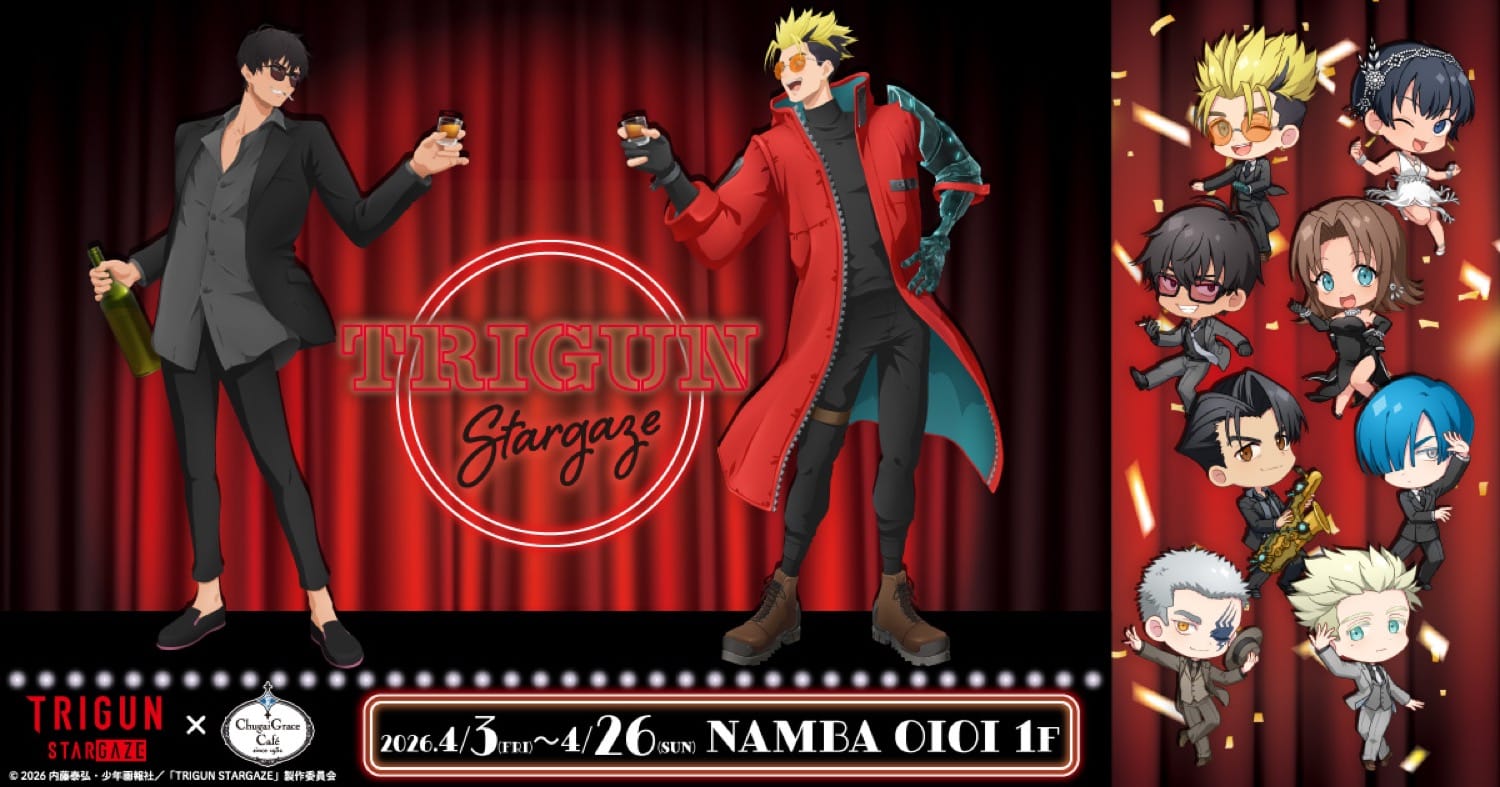
Best Anime Hotels in Tokyo 2026: Where to Stay Near Akihabara, Ikebukuro & Beyond
Last updated: April 2026.
Tokyo’s anime scene isn’t just confined to arcades and shops—it’s woven into the city’s hospitality fabric. After spending five years rotating through Tokyo’s anime districts, I’ve stayed at everything from business hotels converted into character rooms to authentic capsule hostels where the vending machines dispense anime figures instead of snacks. The hotel experience matters when you’re hunting doujinshi in Nakano Broadway until midnight; you want somewhere you can crash that actually gets your fandom, not somewhere that treats anime like a niche curiosity.
The anime hotel scene in Tokyo has transformed dramatically. Where we once had a handful of novelty rooms, we now have legitimate collaboration suites, themed floors at major chains, and a tier system that lets fans of any budget join the party. You can book a capsule pod decorated with Genshin Impact illustrations for 4,500 yen a night in Akihabara, a mid-range prince suite dripping in anime aesthetics in Ikebukuro for 12,000-18,000 yen, or drop serious cash on luxury collaboration rooms that run 50,000+ yen. The competition means quality actually matters now.
This guide covers where anime fans actually want to stay, organized by neighborhood and budget tier. I’m including walking times to stations (not “a short walk”), real prices updated through April 2026, and honestly which places are worth it versus which are banking on nostalgia. Booking strategy matters too—some collaboration rooms release stock only through Japanese-exclusive booking sites, which is why I’ve included workarounds.
- Table of Contents
- Premium & Mid-Range Anime Hotels in Akihabara
- Capsule Hotels & Budget Options in Akihabara
- Ikebukuro District Hotels: The Anime Heart of Tokyo
- Nakano, Shibuya & West Tokyo Hotels
- How to Book Anime Collaboration Rooms: Timing & Strategy
- Budget vs Mid-Range vs Splurge: Comparison Table
- Practical Tips for Anime Hotel Stays in Tokyo
- Related Guides for Your Tokyo Anime Trip
Table of Contents
Premium & Mid-Range Anime Hotels in Akihabara
Akihabara Excel Hotel Tokyu (ANA Hotel Akihabara)
14,500-24,000 yen/night
I stayed here during the 2025 Akihabara anime collaboration season, and the positioning is flawless—you literally exit the station, turn right, and you’re checking in. The hotel is part of ANA’s premium business hotel chain, which means the rooms are modern, clean, and without the creakiness you’d expect. Standard rooms are compact but functional (about 24 square meters); the anime collaboration rooms add genuine character without sacrificing practicality.
What sold me: the collaboration suites rotate quarterly with different franchises. When I booked, they had rooms themed to popular seasonal anime. The suites include character artwork on walls, themed amenities (specialty soaps, exclusive towels), and—crucially—comfortable beds. The hotel also runs a ground-floor convenience store with anime merchandise, though the markup is aggressive. Free WiFi throughout, English-speaking staff at the front desk, and the breakfast buffet includes decent coffee and pastries alongside Japanese items.
The con: these aren’t budget rooms, and the anime theming is professional but restrained. You’re not getting a shrine to your favorite series; you’re getting a tasteful business hotel that acknowledges anime culture. The rooms also book solid months in advance during peak collaboration seasons. Single rooms start around 14,500 yen (November 2025 pricing), doubles hit 24,000 yen, and collaboration suites push toward 28,000-32,000 yen.
Hotel Metropolitan Marunouchi (Anime Collaboration Floors)
16,000-26,000 yen/night
The Metropolitan Marunouchi occupies the top floors of a building directly connected to Akihabara Station. The anime collaboration rooms are on dedicated floors, operated as partnerships with major anime studios and franchises. I booked a Jujutsu Kaisen floor room last February—the amenities included collaboration art, special packaging for toiletries, and exclusive prints you could only get from the room.
The booking experience here requires patience. Most collaboration rooms sell out on the Japanese booking sites (especially Rakuten Travel and jalan.net) weeks before they appear on Western platforms. When they do hit Booking.com and Agoda, they’re marked up slightly, but availability actually exists. The hotel’s location is unbeatable if you’re spending entire days in Akihabara. The standard floors are solid business-class with proper ergonomic chairs and larger desk spaces than you’d expect.
Downsides: the hotel prioritizes volume, so some rooms feel a bit tight (around 26 square meters for standard doubles). The collaboration room pricing jumps to 32,000+ yen for peak seasons. Service is efficient but not particularly warm—you’re one of hundreds checking in daily. The breakfast buffet is extensive but crowds during peak hours.

Photo: Yosuke Ota / Unsplash
Capsule Hotels & Budget Options in Akihabara
Nine Hours Shinjuku-North (Anime-Themed Pods)
4,500-7,500 yen/night
I initially dismissed capsule hotels as a gimmick, but Nine Hours changed my mind. Their pod concept is clever: you get a sealed, private capsule with temperature control, ambient lighting you can customize, and a charging station. The anime rooms feature character illustrations wrapping the pod exterior, changing seasonally. When I stayed during the Spy x Family collaboration, every pod had custom artwork—it was actually delightful waking up to Anya’s face grinning at you.
What makes this work: the isolation. Unlike traditional capsule hostels where you hear everything through paper-thin walls, Nine Hours pods are soundproofed. You get genuine privacy at a fraction of hotel cost. Common areas are modern and clean, with a cafe serving decent coffee and ramen. The location near Shinjuku gives you walking distance to anime shops, restaurants, and bars. Luggage storage is efficient, and staff speak English.
The catch: you’re sleeping in a pod that’s roughly 2 meters long, 1 meter wide, and 1.2 meters high. Tall people will feel cramped. There’s no room for sitting, and you’re stacking your belongings in a locker. Bathrooms are shared (communal gender-separated bathing), which isn’t ideal if you want privacy. These rooms book solid during anime convention weekends and seasonal collaborations. They’re phenomenal if you’re hitting Akihabara for the day and just need somewhere to crash, less ideal if you’re planning to lounge in your room.
Mitsui Garden Hotel Shibuya (Capsule-Style Compact Rooms)
8,000-14,000 yen/night
Mitsui Garden exists in this interesting middle ground—not quite a capsule hotel, not quite traditional hotel. They offer “compact” and “smart” rooms that are roughly 15-17 square meters but include a proper bed, toilet, shower, and workspace. The anime editions feature collaborative art and themed lighting. The Shibuya location puts you in the center of the fashion and entertainment district, with anime shops (Center Gai street has several dedicated floors) within walking distance.
The rooms feel efficient without being cramped. You can actually unpack your luggage and leave it open. WiFi is solid, water pressure in the shower is decent, and the beds are properly firm (not the sagging tatami situation you get in some budget places). The lobby has a convenience store, and there’s a restaurant serving pasta and Japanese curry. Staff are multilingual, which matters if you’re not fluent in Japanese.
Trade-offs: at 14 square meters, some rooms feel tight if you’re staying multiple nights with luggage. The anime collaboration offerings rotate less frequently than premium hotels—expect seasonal changes rather than monthly updates. The Shibuya location is noisier than Akihabara; if you’re sensitive to street noise, request a room away from the main street. Breakfast isn’t included at the budget tier, though it’s available for 1,500-2,000 yen.
Ikebukuro District Hotels: The Anime Heart of Tokyo
Sunshine City Prince Hotel (Ikebukuro)
11,000-22,000 yen/night
If there’s a ground zero for anime culture hotels in Tokyo, it’s the Sunshine City Prince Hotel. The hotel sits directly inside the Sunshine City shopping complex—which means you’re steps away from the Sunshine City animation museum, character goods stores, and restaurants where cosplayers openly hang out. When I checked in on a Saturday in October, the lobby was thick with people in full cosplay; this is a hotel that doesn’t bat an eye at your glow-in-the-dark LED accessories.
The collaboration rooms here are the most extensive in Tokyo. Sunshine City partners with major franchises for quarterly rotations, sometimes running two or three simultaneous collaborations at different price tiers. I’ve booked rooms themed to anything from Demon Slayer to Hololive productions. The rooms include custom-designed wall art, themed amenities, collaboration merchandise (sometimes exclusive to the hotel), and themed bedding. A premium collaboration suite I stayed in during the Chainsaw Man partnership included a limited-edition acrylic stand you literally couldn’t buy anywhere else.
What’s exceptional: the Prince Hotel chain runs this with actual attention to detail. The rooms aren’t just sticker jobs; the theming extends to lighting color temperature, art placement, and even the style of furniture. The staff understand the demographic—no judgment about spending an hour photographing your room for social media. The hotel runs an excellent restaurant with collaboration menus that match the current anime partnership. The standard (non-anime) rooms are also nice for the price: good beds, proper desks, fast WiFi, and at least 28 square meters of space.
Logistics: Sunshine City routing can confuse first-timers. Exit Ikebukuro Station East, follow signs for “Sunshine City,” and you’ll enter the shopping complex before the hotel entrance. The complex is massive; give yourself 10 minutes to find the right entrance initially. The hotel is accessible via multiple routes, so ask staff when you arrive about the most direct path for future reference.
Price reality: standard rooms start around 11,000 yen off-peak but climb to 16,000+ during weekends and holidays. Anime collaboration rooms jump to 18,000-22,000 yen for mid-tier collaborations, potentially hitting 28,000-32,000 yen for major franchise partnerships (think Attack on Titan, popular seasonal anime). Despite the cost, these book 6-8 weeks ahead during peak seasons—this is the hotel anime fans specifically seek out.
Hotel Sunroute Plaza Shinjuku
9,000-15,000 yen/night
This is the hotel I’d recommend if you want proximity to anime culture without paying premium Sunshine City rates. Hotel Sunroute sits in Shinjuku’s business district, which puts you near anime shops along Center Gai street and within walking distance of Meiji Dori’s entertainment venues. The anime collaboration program here is modest but genuine—they rotate 3-4 partnerships annually, typically mid-tier anime rather than blockbuster franchises.
The rooms are what you’d expect from a solid business hotel: clean, modern, around 25 square meters for standard doubles, with working WiFi and firm beds. The anime collaboration editions add character art and themed amenities but keep the professional aesthetic—you’re not waking up to glitter-covered walls. The price advantage is significant: collaboration rooms here run 12,000-15,000 yen compared to Sunshine City’s 20,000+, and availability is better because fewer anime fans zero in on this hotel specifically.
Trade-offs: the anime program is smaller scale. You have fewer collaboration options and less exclusive merchandise tied to the rooms. The Shinjuku location is busier and noisier than Ikebukuro, especially around the East Exit area. The restaurant and cafe are basic business hotel standard—competent but not inspiring. Street noise can be significant if you get a room facing the main road. Request higher floors or rooms away from the street if noise sensitivity is an issue.

Photo: Dario Brönnimann / Unsplash
Nakano, Shibuya & West Tokyo Hotels
Dormy Inn Nakano (Budget Anime Access)
7,000-12,000 yen/night
Nakano Station is where anime fans actually live when they move to Tokyo. The area is ground zero for vintage anime shops, doujinshi markets, and the kind of specialized collector economy that doesn’t exist elsewhere. If you’re planning an entire day around Broadway shopping (the famous manga/anime building), you want to stay in Nakano rather than commuting 20 minutes from Shinjuku or Shibuya.
Dormy Inn is a business hotel chain focused on value without cutting corners. The Nakano location doesn’t have dedicated anime collaboration rooms, but that’s actually fine—the neighborhood itself is so anime-saturated that the hotel doesn’t need to try hard. Standard rooms are 20-22 square meters, include proper beds, and come with free hot springs bath (onsen) access, which is luxurious for this price tier. WiFi is solid, and the lobby convenience store is stocked with the basics.
Why I recommend it: the value proposition is excellent. A double room runs 7,000-9,000 yen off-peak, hitting 12,000 during weekends. That frees up budget for actually buying merchandise and eating at restaurants around Nakano. The station exit puts you directly into the shopping district. Staff are friendly, rooms are clean, and you’re not paying premium for anime branding when the location itself is the draw. Breakfast isn’t included, but there are 15+ restaurant options within 3 minutes of the hotel.
Downsides: the rooms are small by Western standards. The building feels a bit institutional—this is a functional business hotel, not somewhere with character. The immediate neighborhood is loud at night (bars, restaurants, foot traffic) if you’re noise-sensitive. The onsen is small and shared, which works fine but isn’t the relaxing soak you’d get at a dedicated hot springs resort.
Cerulean Tower Tokyu Hotel Shibuya
24,000-45,000 yen/night
This is the splurge option for anime fans who want luxury. Cerulean Tower is a 40-floor landmark hotel in Shibuya with anime collaboration suites that feel like staying in an immersive experience. I booked their Sword Art Online collaboration suite in 2024—the room included custom lighting that mimicked the game’s aesthetic, themed art installations, premium bedding, and access to an exclusive character goods collection.
The rooms are spacious (45+ square meters), with top-tier service, multiple restaurants, a spa, and views across Shibuya. The collaboration suites represent serious investment from both the hotel and the franchises involved; they change less frequently than mid-range options but with significantly higher production value. The location puts you in the heart of Shibuya’s entertainment district, with anime shops, restaurants, and nightlife immediately accessible.
Who this is for: fans with higher budgets seeking luxury combined with anime culture, rather than budget optimization. The collaboration rooms typically book 2-3 months ahead and run 40,000+ yen. If you’re taking a special trip or celebrating something, this delivers the experience. If you’re optimizing for value, skip this and book Sunshine City Prince Hotel instead—you get 80% of the theming experience for 50% of the cost.
How to Book Anime Collaboration Rooms: Timing & Strategy
The Release Schedule
Anime hotel collaborations follow a predictable quarterly cycle, but understanding the timing makes the difference between booking what you want and settling for what’s left. Major hotels announce partnerships 6-8 weeks ahead, with room inventory typically dropping onto Japanese booking sites first (jalan.net, Rakuten Travel) before appearing on Booking.com or Agoda.
Here’s what happens: Hotels reserve 30-40% of collaboration room inventory for the Japanese domestic market. These rooms sell out on Japanese sites within 2-3 weeks of announcement, sometimes faster for major franchises (anything that trended on Twitter the previous season gets booked aggressively). The remaining 60-70% flows to international booking platforms after 3-4 weeks, and these usually remain available for 6-8 weeks before the collaboration ends.
The strategy: If you know 2-3 months ahead which collaboration you want, set calendar reminders for 8 weeks before the partnership date. Follow the hotel’s Japanese Twitter account (most hotels announce partnerships there before press releases). When rooms appear, book immediately through either Rakuten Travel (if you can get around Japanese-language booking) or wait 1-2 weeks for Western platform listings. Don’t wait for better prices—collaboration rooms don’t discount.
Navigating Japanese Booking Sites
Rakuten Travel (rakuten.co.jp/travel) and jalan.net are where most collaboration rooms live initially. If you don’t read Japanese, here’s the actual workflow: (1) Use Google Chrome’s translate feature to read the site. (2) Search the hotel name in the room type field. (3) Look for room names containing the collaboration anime’s name (often written in katakana or Japanese characters). (4) Select your dates. (5) Complete checkout—Rakuten accounts are free to create and accept most international credit cards.
The catch: some properties require domestic credit cards or Japanese phone numbers for booking confirmation. When this blocks you, contact the hotel’s English-language desk directly (phone numbers are on their website). They’ll sometimes hold rooms for international customers willing to guarantee with a foreign card.
Price difference: Japanese sites typically list collaboration rooms at the same or slightly lower prices than Booking.com, but they charge the hotel commission directly, so customers don’t benefit from major discounts. The real advantage is inventory access—booking through Japanese sites sometimes means 2-3 week earlier access to rooms before they appear internationally.
Setting Up Alerts
Follow these Tokyo hotel Twitter accounts (in order of collaboration frequency): Sunshine City Prince Hotel, Hotel Metropolitan Marunouchi, ANA Hotel Akihabara, and Cerulean Tower Tokyu. Retweets and likes aren’t notifications—use Twitter’s notification bell feature to get immediate alerts when they post partnership announcements. The difference between immediate notification and discovering it the next day often determines availability.
Budget vs Mid-Range vs Splurge: Comparison Table
| Category | Budget (¥4,500-8,000) | Mid-Range (¥12,000-18,000) | Splurge (¥28,000+) |
|---|---|---|---|
| Best For | Day-trippers, convention weekends, 1-2 night stays | Week-long trips, balanced comfort/cost, exploration time | Special occasions, serious collaborations, luxury experience |
| Typical Options | Capsule pods (Nine Hours), compact business hotels | Sunshine City Prince Hotel, Hotel Metropolitan | Cerulean Tower Tokyu, luxury collaboration suites |
| Room Size | 12-17 sq meters (capsule much smaller) | 25-28 sq meters | 40-50+ sq meters |
| Anime Theming | Pod/room exterior art, seasonal illustrations | Dedicated collaboration suites, character art, themed amenities | Immersive design, exclusive merchandise, premium production |
| Bathroom | Shared (capsule) or basic private shower | Private bathroom, decent water pressure | Luxury bathroom, premium toiletries, often separate tub/shower |
| Amenities | Basic—WiFi, vending machines, modest cafe | WiFi, restaurant, convenience store, sometimes onsen | Multiple restaurants, spa/onsen, concierge, room service |
| Breakfast | Not included (3rd-party options nearby) | Not always included; available for 1,000-2,500 yen | Often included; premium buffet or room service |
| Anime Availability | Seasonal variations, moderate selection | Quarterly rotations, solid selection | Carefully selected partnerships, limited exclusives |
| Booking Timeline | 2-4 weeks ahead often available | 6-8 weeks ahead for specific collaborations | 2-3 months ahead, can book up 6+ months early |
Practical Tips for Anime Hotel Stays in Tokyo
Photography & Social Media Etiquette
Hotels now expect anime fans to photograph rooms—there’s usually space specifically designed for photo angles. That said, be respectful: some hotels ask that you don’t move furniture for photos (they notice—rooms get checked between guests), and a few request no external sharing of certain premium collaboration suites (usually mentioned at check-in). Most hotels welcome tagging them on Instagram; it’s free marketing they actively want. Just don’t dismantle the room for content.
Booking Cancellation Policies
Anime collaboration rooms have stricter cancellation policies than standard rooms—typically non-refundable when booked more than 30 days out. Book only dates you’re committed to. If plans change, contact the hotel directly rather than canceling online; some will work with you on rebooking if you have legitimate travel changes. I once got a collaboration date shifted one week with no penalty by calling and explaining a flight change.
Language Considerations
English speakers work the front desk at major hotels (Sunshine City, Akihabara Excel, Metropolitan). Smaller business hotels sometimes have limited English staff. If you’re not fluent in Japanese and the hotel is small, download Google Translate’s offline Japanese translation or bring a phrasebook. Worst case, you’ll communicate via pointing and translation app—it works.
Luggage & Storage
Small rooms mean luggage strategy matters. Most hotels offer free luggage storage if you’re arriving early or extending checkout. Capsule hotels and compact rooms are explicitly tight—consider storing excess luggage at Shinjuku Station’s luggage depository (600 yen per bag per day) if staying multiple nights. Tokyo’s bag forwarding services (Sagawa, Yamato) can ship luggage between hotels for 2,000-3,500 yen if you’re staying at multiple locations.
WiFi Quality
Major business hotels (Prince, Metropolitan, Dormy Inn) include reliable WiFi with good speeds (20-50 Mbps). Budget capsule hotels sometimes have WiFi but with traffic-limited speeds during peak evening hours. If video streaming or online gaming matters, verify WiFi quality in reviews before booking. Budget hotels usually list WiFi as a feature but sometimes deliver minimal bandwidth.
Checkout & Departures
Standard checkout is 11:00 AM. Late checkout costs 2,000-4,000 yen per hour (sometimes a flat 3,000-5,000 yen for a few extra hours). Request late checkout when booking rather than at check-in—availability is better if arranged in advance. Many hotels offer luggage holding until 18:00 on checkout day if you’re catching an evening train.
Breakfast Logistics
Budget hotels often don’t include breakfast; Shinjuku and Shibuya have excellent breakfast options (ramen shops, convenience stores, proper cafes) starting from 6:00 AM for 1,000-2,500 yen. Akihabara breakfast options are more limited—many shops don’t open until 10:00 AM. If staying in Akihabara and wanting early breakfast, either book a hotel with breakfast included or walk toward Shinjuku/Shibuya proper (about 15 minutes). Convenience store breakfast (onigiri, sandwiches, coffee) is available 24 hours everywhere.
Credit Card & Payment
Most hotels accept major credit cards (Visa, Mastercard, Amex), but a few budget capsule hotels or older business hotels operate cash-only. Verify payment methods when booking. Even if the booking shows credit card accepted, bring some cash just in case—you won’t have time to find an ATM if you discover cash-only at check-in (Japanese 7-Elevens have ATMs that accept international cards, but not all locations do).
Related Guides for Your Tokyo Anime Trip
Follow @japan_pop_now on Instagram for daily Tokyo pop culture updates, new anime collaboration announcements, and hotel opening news.
This article was last updated April 2026. Prices, collaborations, and room availability change seasonally. Check Booking.com and Agoda for current rates and current anime partnerships before booking. All hotels listed have been personally reviewed by the author.

Written by Takapon
Born and raised in Kyoto, currently in Tokyo. Former management consultant turned anime culture writer. Has visited countless collaboration cafes and pilgrimage spots across Japan. Also sharing tips on Instagram @pop_now_jp.
Follow @pop_now_jp on Instagram

Comments