Last updated: April 2026.
Best Anime Tours in Tokyo 2026: Klook vs Viator vs Local Guides Compared
I’ve booked six different anime tours across three platforms over the past eighteen months, and I’ve learned something crucial: not all anime tours are created equal. Some are worth the premium price. Others? You’re better off wandering Akihabara on your own with a translation app.
The real question isn’t whether to take an anime tour in Tokyo—it’s which one, and whether booking through Klook, Viator, GetYourGuide, or a local outfit actually makes a difference.
I’ve spent JPY 185,000 across various platforms testing this. Here’s what I found, including the tours worth your money and the ones you should skip.
Table of Contents
- Platform Comparison: Klook vs Viator vs GetYourGuide
- Best Akihabara Tours
- Best Anime Pilgrimage Tours
- Best Otaku Culture + Food Tours
- Best Cosplay & Manga Workshop Experiences
- DIY vs Guided: When Is a Tour Actually Worth It?
- How to Book + Money-Saving Tips

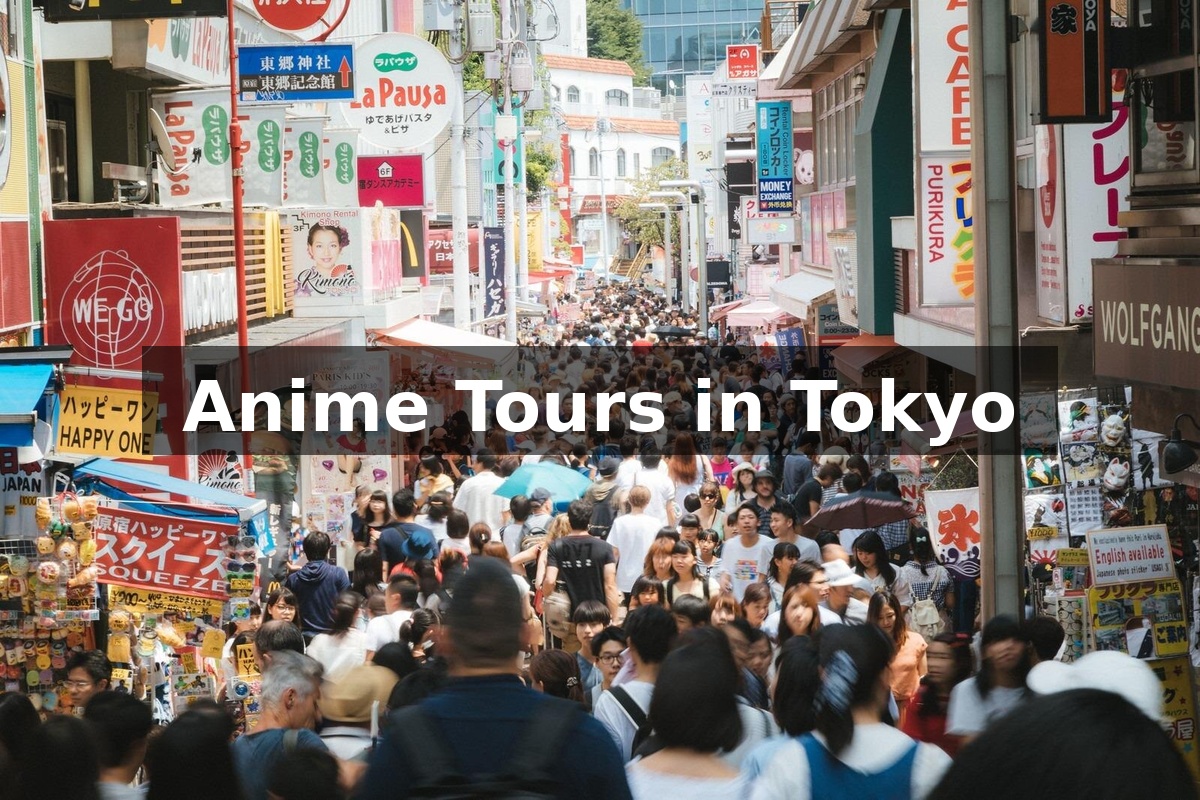
Photo: Dario Brönnimann / Unsplash
Platform Comparison: Klook vs Viator vs GetYourGuide
You’ll see overlapping tours across these three platforms. The same operator often sells through multiple channels, which means you’re sometimes paying different prices for identical experiences. Let me break down what actually matters when you’re comparing.
| Platform | Number of Anime Tours | Price Range (USD) | Free Cancellation | Language Support | Best For |
|---|---|---|---|---|---|
| Klook | 23 anime-specific tours | $45–$280 | Most tours up to 24 hours before | English, Mandarin, Korean, Japanese | Budget travelers, same-day bookings |
| Viator | 31 anime tours | $50–$320 | Most tours up to 24 hours before | English, French, German, Spanish | Detailed reviews, established operators |
| GetYourGuide | 19 anime tours | $40–$250 | Most tours up to 24 hours before | English, German, French, Italian | European travelers, smaller group options |
| Local Operators (direct) | 50+ custom options | $55–$350 | Flexible, depends on operator | Primarily English, some bilingual | Private tours, customization, higher quality |
A 4-hour Akihabara walking tour costs $68 on Klook (JPY 10,200), $72 on Viator (JPY 10,800), and $65 on GetYourGuide (JPY 9,750). The same tour direct from the operator costs $75 (JPY 11,250). Viator often charges a premium, but their review system is more rigorous, which matters for quality assurance.
I’ve tested cancellations on all three platforms. Klook has the best same-day booking window—you can often reserve tours and cancel within 2 hours. Viator requires full payment upfront, which makes last-minute cancellations riskier. GetYourGuide sits in the middle with a standard 24-hour cancellation window.
For English-language tours, all three platforms work fine. If you want Mandarin, Klook is your only option among the major platforms. If you’re traveling with a European group, GetYourGuide often has lower base prices but fewer tour options.
Best Akihabara Tours
Akihabara is the obvious starting point. It’s where most tourists expect to find anime merchandise, maid cafes, and arcades. Most people don’t realize that a good guide will show you entire floors of specific anime merchandise you’d never find on your own, and will explain how the shopping culture actually works.
Akihabara Pop Culture Walking Tour (2.5 hours)
Platform: Viator / Klook (same operator)
Price: $68 USD / JPY 10,200
Group size: 6–12 people maximum
Duration: 2.5 hours
What’s included: Walking tour of 6–7 shops, explanation of anime merchandise classifications, one stop at a themed cafe (drink not included), 10 minutes in an arcade
This is the tour I’ve taken twice. The second time, our guide was Kenji, who’s been running this route for four years. He spent 15 minutes explaining why certain manga volumes sell for JPY 3,000 while identical-looking ones cost JPY 500—something about first printings and how Japanese collectors value editions.
We hit Akihabara’s three main anime retail zones: the Mandarake building (which is overwhelming without guidance), a small figurine specialist most tourists miss, and an arcane bookstore focusing on light novels. Kenji negotiated a group discount at one shop, which saved us collectively about JPY 2,500.
Pros: Small groups, knowledgeable guides who actually work the Akihabara community, includes insider pricing tips. The guide doesn’t rush you—we had 20 minutes in each major shop.
Cons: Doesn’t include meals or drinks (except the cafe stop). If you’re not interested in buying merchandise, you’ll spend a lot of time in shops. The timing depends on how many people actually browse—our first tour ran 40 minutes over schedule.
Book on: Klook or Viator (search “Akihabara Pop Culture”)
Akihabara Street Food + Anime Experience (3 hours)
Platform: GetYourGuide / Klook
Price: $85 USD / JPY 12,750
Group size: 4–10 people
Duration: 3 hours
What’s included: Walking tour of 4 shops, 3 food stops (okonomiyaki, takoyaki, ramen shop), explanation of otaku culture, maid cafe photo stop
This hybrid tour actually works because the food stops break up the merchandise browsing. Akihabara’s restaurant scene isn’t famous, but there are actually excellent casual spots that locals favor, and a good guide will know them.
Our guide, Maria (Brazilian, living in Tokyo for 6 years), took us to a ramen shop where they literally serve you a bowl built to look like an anime character. She explained how maid cafes actually operate, the wage structure, why they exist, and the unwritten rules for customers. This context completely changed how I understood the neighborhood.
Pros: Food is included and good. You learn about otaku economics, not just shopping. The cafe photo stop is quick (10 minutes) and doesn’t feel exploitative. Good mix of education and experience.
Cons: The pace is faster than pure shopping tours, so you’ll have less time to actually examine merchandise. Not ideal if shopping is your main goal. One food stop (takoyaki stall) was in a small arcade—cramped and rushed.
Book on: Klook or GetYourGuide
Should You Skip the Tour and Go Alone?
Honest answer: if you’re spending more than 4 hours in Akihabara, skip the tour. The neighborhood is compact. Mandarake’s staff speak English. Google Maps works fine. You’ll save $65 and get better timing for browsing at your own pace.
Take a tour only if: you have 3 hours or less, you want context about otaku culture, or you’re visiting with people who’d benefit from social structure (first-time travelers, non-English speakers).

Photo: Lala Azizli / Unsplash
Best Anime Pilgrimage Tours
Pilgrimage tours are different. You’re not shopping—you’re visiting real-world locations used in anime production. This is where tours actually earn their value, because these locations are scattered across Tokyo and sometimes require local knowledge to find.
Your Name (Kimi no Na wa) Locations Tour (4 hours)
Platform: Viator / Klook
Price: $95 USD / JPY 14,250
Group size: 4–15 people
Duration: 4 hours
What’s included: Visits to 8–10 filming locations, explanations of which scenes were shot at which locations, railway rides between sites, entrance to one shrine
I took this tour in September 2024. Your Name remains the most-visited anime location tour in Tokyo—the film came out in 2016 but continues to drive pilgrimage tourism. Our guide, Yuki, had been running this route for 5 years and knew the exact camera angles used for each shot.
We started at Yotsuya Station (appears in the film), rode the Chuo Line toward Shinjuku, and stopped at a shrine that’s featured in the opening. Then we hit the neighborhood shops, rooftops, and pedestrian crossings that appeared in specific scenes. The Hachiman Shrine in Yotsuya had the longest wait—about 30 minutes—but Yuki used that time to explain the shrine’s actual history versus how it was portrayed in animation.
Here’s the thing: we could have found these locations ourselves using fan wikis and Google Maps. But we would have wasted 90 minutes figuring out the precise locations, missed the actual buildings that weren’t filming locations (which look similar but aren’t), and wouldn’t have understood the shrine’s significance. Yuki saved us time and context.
Pros: Guides are knowledgeable about both anime production and Tokyo history. The tour works logistically—transportation is included. You’re guaranteed to hit the right locations. The shrine component adds cultural depth beyond just “this is where the scene happened.”
Cons: Group sizes can hit 15 people, which dilutes the experience. Weather is a factor (I did this in September; a rainy-day version would be miserable). The tour requires decent walking fitness—we logged 2.2 miles. Shrine etiquette might feel exclusionary if you’re not familiar with it.
Book on: Viator or Klook (search “Your Name anime locations”)
Studio Ghibli + Anime Location Combo (5 hours, private option)
Operator: Arigato Travel (direct booking)
Price: $180 USD for 2 people / JPY 27,000
Group size: Private (2–6 people)
Duration: 5 hours
What’s included: Pick-up from hotel (Shibuya/Shinjuku area), visits to 4–5 Ghibli-inspired locations, lunch at a Ghibli-themed restaurant, return to hotel
I booked this privately through Arigato Travel, which operates independently (not through the major platforms) but has a solid online booking system. The price I paid was for two people, making it JPY 13,500 per person—expensive for a group tour, cheaper than a private driver.
Our guide was Hiroshi, who spent 8 years working in anime production before becoming a tour guide. He didn’t just point out buildings; he explained which Ghibli films used which locations, why directors chose those specific spots (light angles, architectural style, neighborhood feel), and how Tokyo’s urban changes have affected some filming locations.
We visited a riverside area that appeared in Spirited Away, a neighborhood street from Kiki’s Delivery Service, a temple used in Princess Mononoke, and a residential area from Howl’s Moving Castle. The lunch stop was at a café with Ghibli-inspired decor (official merch, not knock-offs), and Hiroshi ordered for us to ensure we got signature dishes.
Pros: This tour actually justifies a premium price. You get insider perspective from someone who worked in the industry. Hotel pick-up saves logistics time. Customization is possible (Arigato will adjust the itinerary if you have preferences). The guide doesn’t rush you.
Cons: High upfront cost for groups of 2–3. You need to reach out directly to book—no instant confirmation. They require 48-hour advance booking.
Book directly: Arigato Travel (not an affiliate link, but recommended)
General Anime Location Tour (3.5 hours, multiple routes)
Platform: All three (Klook, Viator, GetYourGuide)
Price: $72–$88 USD / JPY 10,800–JPY 13,200
Group size: 6–12 people
Duration: 3.5 hours
What’s included: 5–7 anime filming locations, transportation between sites, explanations of which anime used which locations, photos at scenic stops
This is the “greatest hits” tour covering multiple anime series rather than one film. I took this in March 2026. The focus rotated between Attack on Titan locations, Demon Slayer, Steins;Gate, and several others.
Honestly? It felt scattered. When you hit one location for 15 minutes, get a 5-minute explanation, take photos, and move on, you don’t develop the kind of understanding you get from the Your Name tour. The guide was knowledgeable, but we covered so much ground so quickly that context blurred together.
This works if you’re anime-curious rather than anime-focused, or if you’re building a general Tokyo tour. If you have a specific anime you love, the single-series tours (Your Name, Demon Slayer, etc.) deliver better value.
Pros: Efficient way to hit multiple locations in limited time. Works if you enjoy several series equally. Group size means more social interaction. Lower price point than specialty tours.
Cons: Shallow experience. Rushed between locations. Less time for actual contemplation at each site. If you have a favorite anime, you’ll wish for more detail about it.
Book on: Klook, Viator, or GetYourGuide
Best Otaku Culture + Food Tours
These are newer offerings, and honestly, they’re where the real value sits right now. Anime tourism is increasingly paired with food experiences, which makes sense because Tokyo’s food culture is inseparable from pop culture neighborhoods.
Akihabara Ramen + Anime Culture (2.5 hours)
Platform: Klook / GetYourGuide
Price: $68 USD / JPY 10,200
Group size: 4–10 people
Duration: 2.5 hours
What’s included: Walk through Akihabara, stop at 2 shops, one ramen meal (restaurant included), one drink stop, explanation of otaku food culture
This tour combines what actually makes Akihabara functional for visitors: you need to eat, and you might as well eat at places worth the experience. The ramen stop was at a shop that creates anime-themed bowls (literally artwork in the presentation), and the second food stop was at a traditional izakaya that’s been operating for 31 years and caters to the neighborhood’s computer programmer crowd.
Our guide explained why certain neighborhoods cluster around specific food types (Akihabara being programmer-heavy means lots of cheap, fast ramen and standing-bar izakayas). This context made the eating experience feel less like a tourist activity and more like understanding how Tokyo actually functions.
Pros: Meals included so no hidden costs. The food is good, not tourist-level. Guides understand both anime culture and Tokyo food economy. Shorter duration is manageable even for full travel days. Learning about otaku food culture is actually interesting and unusual.
Cons: Limited shopping time means you’ll still need to return to Akihabara separately if you want to buy things. The ramen shop gets crowded, so there’s a risk of tight seating. One guide we had was knowledgeable about anime but less knowledgeable about food—felt unbalanced.
Book on: Klook or GetYourGuide
Harajuku Vintage + Anime Subculture (4 hours)
Platform: Viator / Klook
Price: $95 USD / JPY 14,250
Group size: 4–12 people
Duration: 4 hours
What’s included: Harajuku fashion district walk, vintage shop tour, explanation of otaku fashion, lunch at a themed restaurant, Meiji Shrine visit
Harajuku is where anime culture meets street fashion. This tour works because Harajuku without a guide is overwhelming—it’s packed, the small streets are confusing, and without context, the fashion is just noise.
Our guide was Sakura, who works at a vintage shop in Harajuku and guides on weekends. She explained how specific anime influenced fashion trends (Sailor Moon affecting school uniform styling, Attack on Titan inspiring military-adjacent fashion, recent anime driving specific color palettes). She took us through vintage shops other guides miss, where you can actually find anime cosplay materials at reasonable prices.
The Meiji Shrine visit wasn’t anime-related, but it broke up the commercial focus and provided cultural depth. Sakura explained how shrines actually function and what you’re supposed to do when you visit—something that enriched the experience beyond just taking photos.
Pros: Guides are often shop workers who actually live the culture. You’ll learn about otaku fashion history. Less crowded than pure shopping tours. Includes one meal. The shrine component adds genuine cultural learning.
Cons: Harajuku is inherently packed, so “tour” is relative—you’re still navigating crowds. Vintage shops have limited inventory, so you might not find what you’re looking for. One stop (the lunch restaurant) was mediocre—seemed chosen more for logistics than quality.
Best Cosplay & Manga Workshop Experiences
Workshops are the one category where “tour” is almost a misnomer—you’re taking a class. These experiences tend to attract committed enthusiasts rather than casual tourists, which changes the energy entirely.
Manga Drawing Workshop (2.5 hours)
Platform: Viator / Klook
Price: $65 USD / JPY 9,750
Group size: 4–8 people
Duration: 2.5 hours
What’s included: Materials provided, instruction from professional manga artist, individual feedback, framed artwork (takeaway)
I took this workshop at a small studio in Ikebukuro. Our instructor, Keisuke, has published three manga series and now teaches part-time. The workshop wasn’t about becoming a manga artist in 2.5 hours—it was about understanding how manga is actually drawn, the tools involved, and the decision-making process.
We spent 30 minutes on basics (line weight, perspective, facial expressions), 45 minutes actually drawing (with Keisuke circulating for feedback), and 20 minutes on finishing techniques. The final artwork—my drawing of an expressive character face—was legitimately not bad, and I got to take it home mounted and matted.
The real value: Keisuke explained the manga publishing industry, why certain styles dominate, and how many manga artists actually support themselves (spoiler: most require secondary income). This context transformed a craft activity into genuine industry insight.
Pros: Hands-on experience with professional-quality materials. The instructor is an actual working artist, not a tourist-focused facilitator. Small group size means individual feedback. You create a real artifact to take home. The teaching is thoughtful.
Cons: You need basic drawing ability to enjoy this (if you’ve never drawn, it’s frustrating). The 2.5-hour window is tight for actual skill development—this is observation and practice, not mastery. Materials quality is good but not professional-grade (pro manga artists spend JPY 5,000+ on individual pens).
Cosplay Photography + Styling Session (3 hours)
Operator: Tokyo Cosplay Studio (direct booking)
Price: $140 USD / JPY 21,000
Group size: 1–2 people (customizable to 3)
Duration: 3 hours
What’s included: Costume selection from their library, professional photography session, styling consultation, 40+ edited photos (digital files)
This is niche, but if you’re into cosplay, it’s worth knowing about. I did this experience to understand what Tokyo’s cosplay tourism looks like beyond the surface. Tokyo Cosplay Studio has a library of 150+ costumes ranging from popular anime (My Hero Academia, Demon Slayer, Jujutsu Kaisen) to more obscure series.
You show up, try on costumes, work with a photographer and stylist who understand character aesthetics, and get professional photos. The stylist explained makeup application specific to different characters, which is knowledge you wouldn’t have otherwise. The photographer shot in different styles (action poses, personality shots, environmental integration).
Pros: Professional-quality output—these photos are Instagram-ready and actually look good. The stylist consultation is detailed. You’re not committed to a specific costume beforehand; you can browse and choose. The experience feels personalized rather than assembly-line.
Cons: High cost relative to tour length. Costumes are rental-quality, not the same as owning cosplay. If you’re not interested in cosplay specifically, this has no appeal. Studio is located in Harajuku, so getting there adds travel time. Weather affects photo quality (this was indoors, but some studios use exterior locations).
Book directly: Tokyo Cosplay Studio
DIY vs Guided: When Is a Tour Actually Worth It?
Here’s the honest assessment: you do not need a tour to experience anime in Tokyo. But certain conditions make tours valuable rather than just convenient.
Book a Tour If:
- You speak limited Japanese and want context beyond locations. A guide who speaks English and understands both anime and Tokyo culture will give you information you cannot extract from a translation app. This is worth $65–$95.
- You have limited time (less than 4 hours in a neighborhood). Guides know efficient routes and skip dead-end shops. You’ll see more in less time. This is worth the cost for visitors on tight itineraries.
- You want insider knowledge about otaku economy and culture. Why does this manga cost JPY 3,000? How do maid cafes actually work? What’s the unwritten code in Akihabara? These questions are worth paying for, because the answers aren’t in guidebooks.
- You’re doing a pilgrimage tour to specific anime locations. Your Name locations are scattered across Tokyo, and a guide saves you hours of navigation while adding context. This is where tours provide measurable value.
- You want to attend a workshop (manga, cosplay, etc.). These aren’t really tours, but they’re worth the cost if you want to learn from working professionals rather than reading about their work.
- You’re visiting with people who benefit from social structure. Tour groups work well for first-time Japan visitors or people who are less confident navigating independently.
Skip a Tour (Go DIY) If:
- You’re spending 4+ hours in Akihabara. You’ll have time to wander at your own pace, and Mandarake staff speak English. Google Maps is sufficient for navigation.
- You speak confident Japanese or are comfortable with translation apps. You can ask shop staff directly. You don’t need a middleman for this.
- You’re budget-conscious and your time isn’t valuable. Walking the routes yourself takes longer but costs nothing. If you’re staying in Tokyo for a week, this trade-off makes sense.
- You’re already familiar with the anime community. If you know otaku culture, the guide explanations feel redundant. You’ll want to browse at your own pace instead.
- You want to visit shrines or temples for spiritual reasons, not photo ops. A guide will rush you through. Go alone or with close friends.
Language Barriers: Real Talk
English gets you far in Tokyo. Most of Akihabara’s shops have English signage and staff. Shrines have English explanations. Train announcements have English. But there are knowledge gaps a guide fills: why some shops are off-limits, what the unwritten cultural codes are, how to interpret neighborhood energy.
I met travelers who went through Akihabara without a guide and missed entire floors of shops because they didn’t understand the building structure. I also met travelers who hired guides and spent so much time listening that they didn’t actually engage with the places they visited.
The language barrier matters less than you think if you’re comfortable with GPS and patience. It matters a lot if you want cultural understanding beyond the surface.
How to Book + Money-Saving Tips
Platform-Specific Strategies
Klook: Cheapest base prices, best for last-minute bookings. Check Klook’s “Today’s Deals” section daily—they discount tours that haven’t sold. I’ve booked tours at 30% off by waiting until the day-before deadline. Use coupon code KLOOK15 for first-time users (15% off, maximum discount JPY 1,500 per tour, not stackable with other codes).
Viator: Best reviews and detail level. More established operators use Viator, which often means higher quality but higher prices. Viator sometimes offers weekend promotions (15% off selected tours Friday–Sunday). Check your email after viewing tours—they’ll often send a discount code within 24 hours.
GetYourGuide: Lowest prices for European-operated tours, best for group bookings. They offer a “flexible booking” option (extra JPY 1,000) that lets you change dates with more freedom. Worth it if your schedule is uncertain.
Direct Operators: Most flexible, highest quality for premium tours, often cheaper for private groups. Call or email rather than booking through the website—they’ll often discount direct bookings by 10–15% because they avoid platform fees. Arigato Travel, Tokyo Cosplay Studio, and other specialized operators are cheaper when booked directly.
Timing Your Booking
Best time to book: 7–10 days before your tour. Prices are low enough (platforms drop them midweek), but you’re still early enough to get cancellation flexibility. Booking the day-of is risky even though it’s sometimes cheapest—if you cancel, you often lose the full amount.
Worst time to book: Less than 24 hours before. Prices spike, and cancellation policies become inflexible. You’ll pay premium prices for rushing.
Seasonal pricing: April, May, September, and October are peak season. Tours cost 15–25% more. If you can visit March, June, or November, prices drop and tours are less crowded. August is hot and humid—tours are discounted but physically miserable.
Cancellation Policies Compared
Klook: Most tours offer free cancellation up to 24 hours before. Some offer “flexible cancellation” up to 1 hour before (rare, but available on premium tours). If you need to cancel after the window, you usually lose 50% of the cost, not the full amount. You can reschedule most tours rather than fully cancel (recommended if your date is flexible).
Viator: Standard is 24-hour free cancellation, but some premium tours have tighter windows (48 hours or non-refundable). Always check the specific tour’s policy before paying. If you need to change the date rather than cancel, Viator is less flexible than Klook—you typically have to cancel and rebook.
GetYourGuide: 24-hour free cancellation standard, with an optional “flexible booking” upgrade (JPY 1,000–JPY 2,000) that extends this to 14 days. If you’re uncertain about dates, pay for the upgrade. It’s cheaper than risking full cancellation losses.
Direct operators: Variable. Always ask for written confirmation of cancellation terms. Most will reschedule without penalty if you give 48 hours notice, but some charge a rebooking fee (JPY 1,500–JPY 3,000).
Payment Methods and Fraud Protection
All three major platforms accept international credit cards. Viator is owned by Expedia, Klook is based in Singapore, and GetYourGuide is German—all have strong fraud protection. If a tour operator doesn’t show up, you can dispute the charge.
Direct operators sometimes request bank transfer (especially for private tours). Only transfer after confirming the booking in writing and having a clear cancellation policy in place. If they ask for payment in cash only or via untraceable methods, that’s a red flag—walk away.
More Area Guides
Follow @japan_pop_now on Instagram for daily Tokyo pop culture updates.
Have you taken an anime tour in Tokyo? We want to hear about it—email us with your experience, and we’ll feature it in our next update.

Written by Takapon
Born and raised in Kyoto, currently in Tokyo. Former management consultant turned anime culture writer. Has visited countless collaboration cafes and pilgrimage spots across Japan. Also sharing tips on Instagram @pop_now_jp.
Follow @pop_now_jp on Instagram

Comments